Struggling with boreholes that cave in before you can even insert a traditional bolt? This constant collapsing wastes time, blows your budget, and puts your entire project schedule at risk.
Self drilling rock anchor bolts perform better because they combine drilling, placing, and grouting into one single step. This eliminates the need for a temporary casing, ensuring the reinforcement is installed before the surrounding loose soil or fractured rock has any chance to collapse into the hole.
I have spent years on job sites where standard bolts just wouldn't work. If you have ever felt the frustration of losing a hole you just spent an hour drilling, you know why a better solution is needed. Let's look at why this technology is a game-changer for difficult ground.
How Does the All-in-One Process Stop Borehole Failure?
Are you tired of drilling a perfect hole only to have it fill with rubble the moment you pull the drill string out? Traditional methods fail here because the borehole remains unsupported during the critical transition phase.
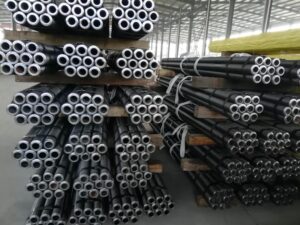
The all-in-one process stops failure by using the hollow anchor rod as the drill string. Since the rod stays in the ground to become the actual bolt, the hole is never left empty or unsupported. This makes it physically impossible for the borehole to collapse.
When I first switched to SDA systems, the biggest relief was the speed. In collapsing ground, traditional methods require you to use heavy casing pipes. You drill with the casing, drop the bolt, and then try to pull the casing back out. It is slow, heavy, and expensive. With the self-drilling method, we use a sacrificial drill bit. This bit stays at the bottom of the hole forever.
By using the hollow rod to flush out debris with air or water during drilling, and then immediately pumping grout through that same rod, you create a solid bond with the ground right away. This "drilling-while-grouting" technique is the secret. It allows the grout to penetrate into the cracks of the collapsing rock, basically gluing the loose ground back together before it can move.
| Feature | Traditional Rock Bolt | SDA Self Drilling Anchor |
|---|---|---|
| Process Steps | Drill, Withdraw, Insert, Grout | Drill and Grout Simultaneously |
| Casing Needed | Often required in loose soil | No casing required |
| Risk of Hole Loss | High in fractured rock | Zero |
| Labor Intensity | High (handling casing/rods) | Low (integrated system) |
Why is Simultaneous Grouting Better for Weak Soil?
Does your grout usually fail to bond because the soil is too loose or full of voids? When you grout a pre-drilled hole, the grout often just sits there without actually gripping the surrounding material.
Simultaneous grouting is better because the grout is pumped through the bit under pressure while the rod is still turning. This forces the grout into the tiny cracks and loose pores of the soil, creating a much larger and stronger "root" than a standard bolt.
I have seen projects where we pulled out old bolts and found they were barely touching the soil. That is a safety nightmare. With SDA bolts, the pressure from the grout pump helps stabilize the hole walls as you go deeper. This is often called "grout-flushing." Instead of using just water, we use a thin grout mix to clear the cuttings.
This thin grout penetrates the surrounding ground and starts to harden. Then, we follow up with a thicker grout to finish the job. This creates a high-friction surface between the bolt and the ground. Because the rod has a continuous thread over its whole length, the grout has a huge surface area to grab onto. This is why we can get such high load capacities even in ground that feels like soup. You are not just putting a bolt in the ground; you are actually improving the quality of the ground itself.
Key Technical Advantages of SDA Grouting
- Pressure Injection: Grout fills every void and crack.
- Immediate Support: The grout stabilizes the borehole wall during the drilling phase.
- Enhanced Bond: The full-thread design provides maximum grip along the entire length.
- No Voids: Since the rod is hollow, grout fills from the bottom up, pushing out all air.
Can Self Drilling Anchors Save Your Project Budget?
Are you worried that the higher cost of SDA materials will break your project budget? It is easy to look at the price of the rod and bit and feel a bit of "sticker shock" compared to simple rebar.
SDA anchors save your budget by drastically reducing the time spent per hole and eliminating the need for expensive casing equipment. By cutting installation time by up to 50%, you save more on labor and machine rentals than you spend on the materials.
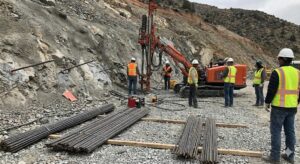
In my experience, the "hidden" costs of traditional anchoring are what kill a project's profit. If a crew can only finish five holes a day because the ground keeps caving in, you are losing money every hour. When we brought SDA bolts to a highway slope project last year, the contractor was skeptical. But once they saw that one rig could do the work of two because we skipped the casing step, they were sold.
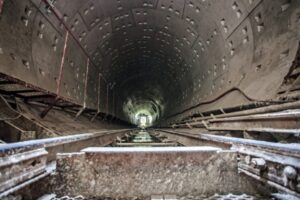
You also have to think about the equipment. Standard drilling in collapsing ground requires big, heavy rigs that can handle casing. SDA systems can often be installed with smaller, more flexible rigs. This is a huge deal when you are working in tight spots like tunnels or under bridges. You use less fuel, fewer people, and you get the job done much faster. When you look at the "cost per meter of installed anchor," SDA is almost always the winner in bad ground conditions.
Cost Comparison Breakdown
- Labor: Fewer steps mean fewer man-hours on the clock.
- Equipment: No need for casing oscillators or heavy-duty casing strings.
- Reliability: No wasted holes means no wasted material or re-drilling costs.
- Speed: Faster completion means lower overhead costs for the site.
Conclusion
Dealing with collapsing boreholes is one of the toughest challenges in geotechnical work. However, using SDA self drilling anchor bolts changes the game by combining drilling and installation into a single, reliable step. This method saves time, improves safety, and ensures a strong bond even in the worst soil. If you want to stop fighting your job site and start making progress, we can help. At SDA Rock Bolt, we provide the high-quality rods and bits you need to get the job done right. Visit our website at https://sdarockbolt.com/ to see our full range of solutions.
Would you like me to help you select the specific drill bit type for your next project's ground conditions?