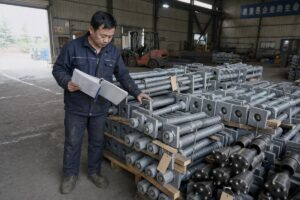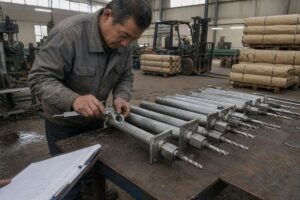
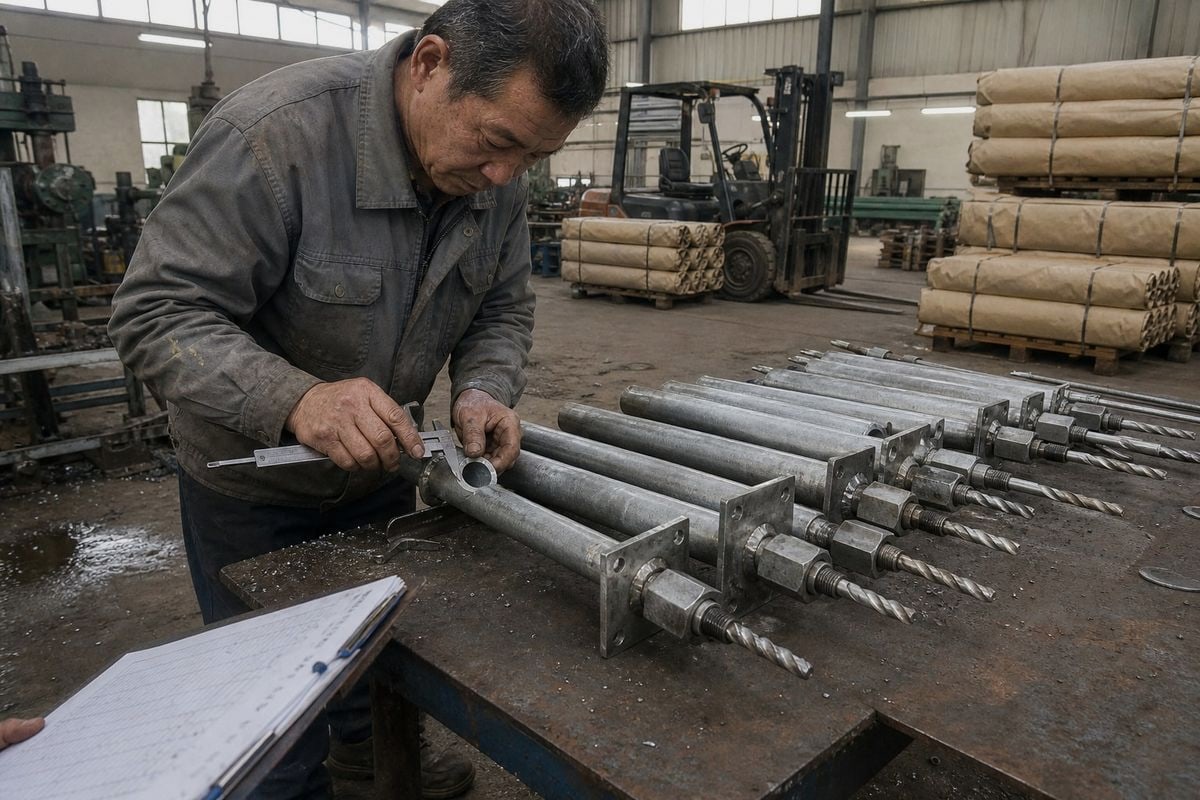
Sourcing self-drilling anchor bolts 1 often becomes a tug-of-war. Buyers push our factory for faster drilling, then discover weak grout bond on site. That trade-off can quietly ruin a project.
To balance drillability and grouting performance in self-drilling anchor bolts, match the hollow bar bore, sacrificial drill bit, and coupler design to your ground conditions, use a 0.4–0.5 water-cement ratio grout, control grout pressure steadily, and verify suppliers with third-party test certifications.
These two performance goals are linked, not separate water-cement ratio grout 2. Below, I break down how to evaluate each factor, one question at a time.
How do I evaluate drilling speed without sacrificing grout bonding strength?
A Chilean mining client once told me his crew hit record advance rates with an aggressive bit, then failed three pull tests in a row ISO 9001 quality management certification 3. Our team traced it back to an oversized, unstable bore.
Evaluate drilling speed alongside bond strength by testing penetration rate in representative ground, checking borehole stability after drilling, confirming full annular grout fill, and running pull tests. A fast bit that enlarges or collapses the hole will always reduce final load-bearing capacity.
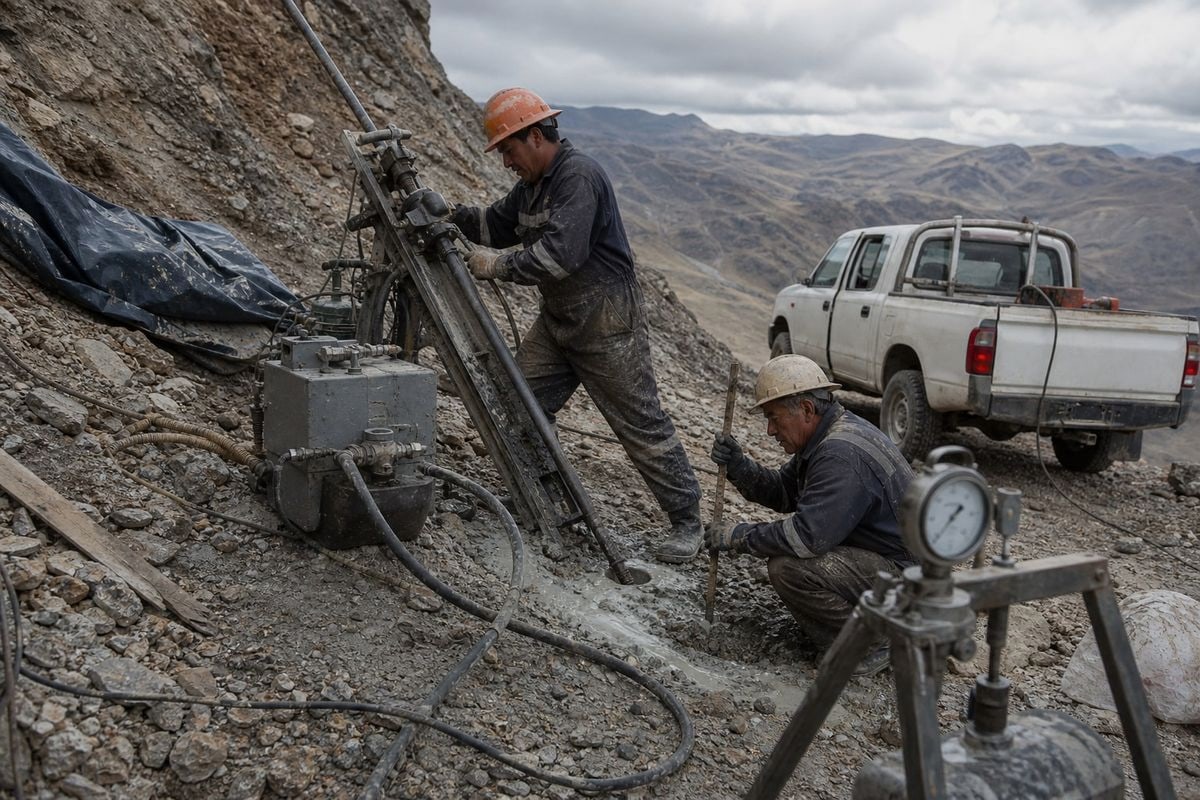
Drillability answers one question: can the system advance quickly and reliably in the target ground? Grouting performance answers another: can the system fully fill the annulus and develop bond strength? In geotechnical engineering 4, these two questions share the same borehole. So you cannot judge one without the other.
Here is the practical problem. A more aggressive drill bit cuts faster. But in weak soils or fractured rock, it can disturb the bore wall. A disturbed or oversized hole holds loose cuttings. Grout then bonds to debris, not to the ground. Your pull test fails, even though the steel and grout were both fine on paper.
A simple evaluation sequence
I recommend buyers follow this order when qualifying a self-drilling anchor bolt system:
- Classify the ground first. Loose soil, fractured rock, and abrasive formations each shift the balance.
- Run a trial installation and record penetration rate per meter.
- Inspect grout return at the collar. Consistent return signals a filled annulus.
- Wait for the grout to reach minimum strength, then pull test to the design load.
- Compare advance rate against bond capacity, not in isolation.
What the numbers should look like
| Metric | What to check | Warning sign |
|---|---|---|
| Penetration rate | Stable advance per rod | Sudden speed jumps (voids or collapse) |
| Grout return | Continuous return at collar | Intermittent or absent return |
| Grout strength | About 5 MPa before loading, 25 MPa at 28 days | Loading before strength is reached |
| Pull test | Meets design load with acceptable displacement | Early slip or creep |
In our experience exporting to tunneling contractors in Norway and Peru, buyers who insist on this combined trial almost never face bond failures later. Buyers who select purely on drilling speed often do. Faster is only better when the hole it leaves behind can still be grouted properly.
What hole diameter and coupler design best support both drilling and grouting efficiency?
On our production line in Shandong, we machine hollow bars and couplers as matched pairs, because a mismatch of even a few millimeters changes grout flow behavior noticeably.
Choose a drill bit 1.5 to 2 times the bar diameter to create an annulus wide enough for grout coverage, and specify couplers with internal sealing and unobstructed bores. This geometry supports both installation efficiency and complete annular filling around the hollow bar system.
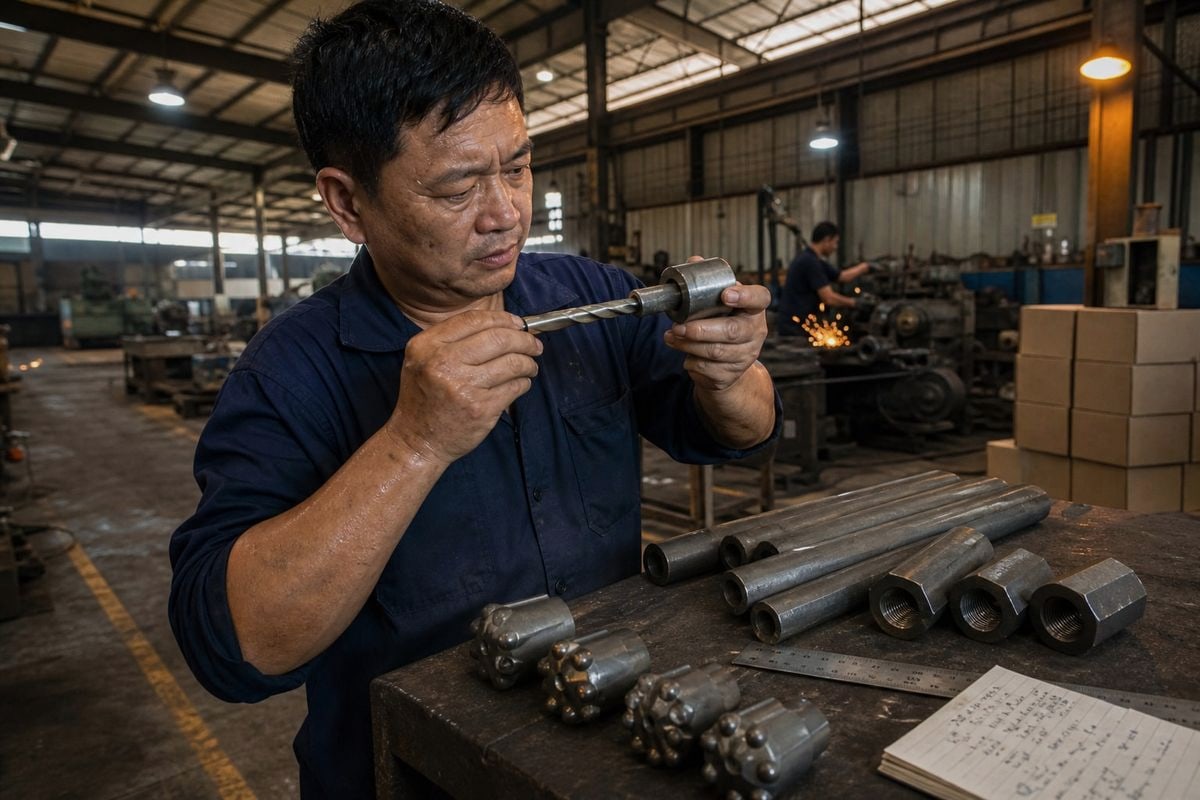
The annulus is the ring of space between the bar and the borehole wall. It is where the grout column forms and where load transfers to the ground. Get the geometry wrong, and either drilling or grouting suffers.
If the hole is too tight, cuttings jam during flushing, torque rises, and grout cannot surround the bar. You end up with thin or missing grout cover, which also hurts corrosion protection. If the hole is too wide, drilling slows down, grout consumption climbs, and in collapsing ground the extra void invites instability before the grout sets. Borehole stability sits at the center of this balance.
Matching bit and bore to ground conditions
| Ground type | Recommended bit style | Annulus goal | Grouting note |
|---|---|---|---|
| Loose or sandy soil | Clay bit or cross bit, larger diameter | Generous annulus | Grout simultaneously to stabilize the bore |
| Fractured rock | Button bit with hardened carbide inserts | Moderate annulus | Watch grout takes; fractures absorb volume |
| Competent hard rock | Compact button bit | Tighter annulus | Post-grouting is often acceptable |
| Mixed or collapsing ground | Robust sacrificial drill bit | Moderate to generous | Continuous grout flushing is essential |
Why the coupler matters more than buyers expect
The coupler joins bar segments, but it also sits inside the grout path. A poorly designed coupler creates three problems. First, an internal step or burr restricts grout flow through the bore. Second, a weak thread engagement fails under percussive drilling torque. Third, a leaking joint lets grout escape sideways instead of reaching the bit.
We test our couplers for torque transfer and internal continuity before shipment, and we advise buyers to request sectioned coupler samples. Ask your supplier one direct question: does the coupler maintain full bore diameter through the joint? If the answer is vague, grout blockage risk goes up with every extension you add.
Can I request custom self-drilling anchor bolts that balance soil penetration and grout flow?
A slope stabilization contractor in Colombia asked us for a bar that could pass thicker anti-bleed grout through soft, wet ground. We enlarged the bore, adjusted the bit ports, and the blockage problem disappeared.
Yes. Reputable suppliers offering OEM and ODM services can customize bore diameter, thread type, steel grade, bit geometry, and coupler sealing to match your soil penetration needs and grout rheology. Share your ground report and grout mix design so the system is tuned as a whole.
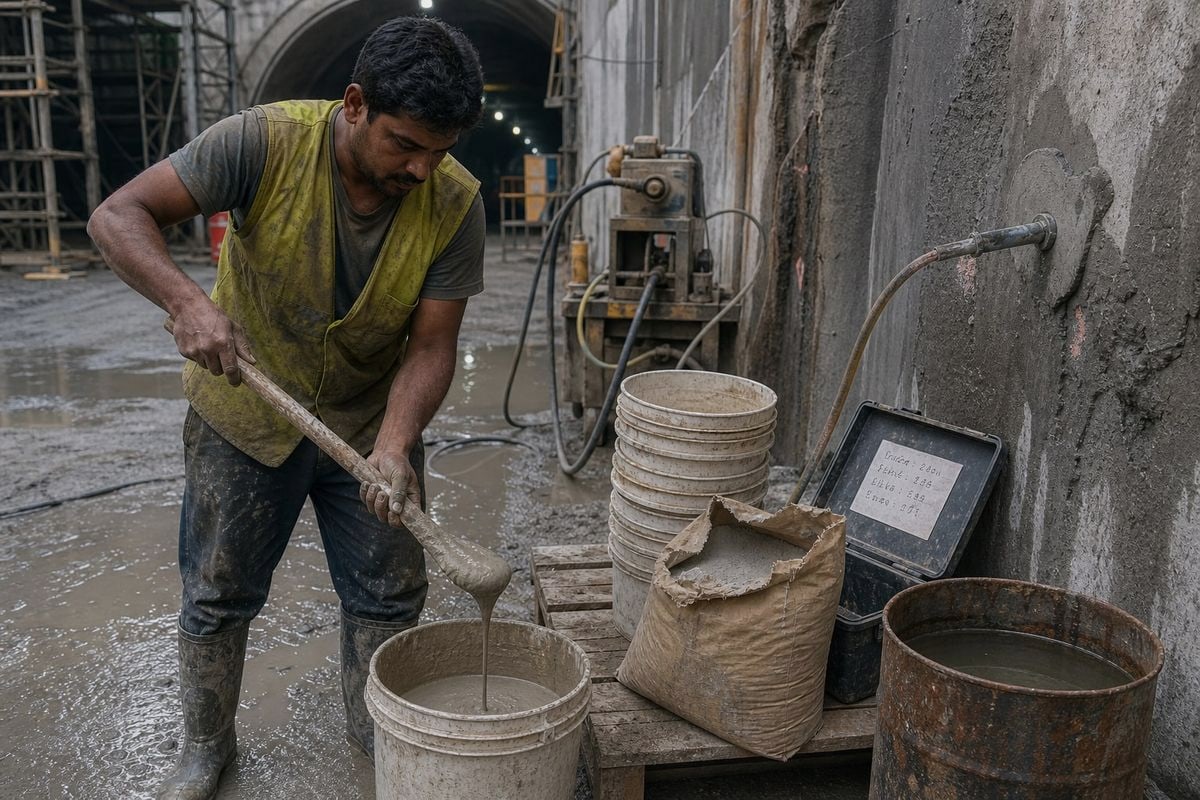
Customization is not a luxury in this product category. It is often the only honest way to resolve the drillability-versus-grouting tension, because catalogs are written for average conditions and your project is never average.
Some buyers object that custom work slows procurement. I understand the concern, especially for emergency slope stabilization jobs where speed matters more than perfection. But in our twenty-plus years of manufacturing, the projects that skipped ground-matched customization usually paid for it later in re-drilling, wasted grout, or failed anchors. A short engineering conversation up front is cheaper than a remobilized crew.
What you can realistically customize
| Component | Customizable parameter | Effect on drillability | Effect on grouting |
|---|---|---|---|
| Hollow bar | Bore diameter, wall thickness | Stiffness for hard ground | Larger bore passes thicker grout without blockage |
| Thread form | R-thread or T-thread profile | Torque transfer, coupling speed | Thread acts as bond surface for grout |
| Sacrificial drill bit | Diameter, port size, carbide layout | Penetration rate, wear life | Port placement controls grout distribution at the tip |
| Coupler | Length, sealing, internal profile | Joint strength under percussion | Leak-free, full-bore grout path |
| Grout compatibility | Bore sized to mix viscosity | Neutral | Supports water-cement ratios from 0.4 to 0.5 and additives |
How to brief your supplier
Send three things with your inquiry. First, a ground classification: is the formation loose, fractured, abrasive, or collapsing? Second, your intended grout mix design, including the water-cement ratio and any rheology modifiers for pumpability. Third, your installation sequence: simultaneous drilling and grouting, or post-grouting after reaching depth. With those inputs, our engineers can size the bore, bit, and flushing path so grout flow and penetration stop fighting each other. Buyers who provide this data get samples that pass field trials on the first attempt far more often.
Which technical certifications confirm a supplier's drillability and grouting performance claims?
Before one of our first big shipments to a European tunneling contractor, their engineer spent two full days auditing our quality control records. That audit taught me exactly which documents serious buyers trust.
Look for ISO 9001 quality management certification, mill test certificates for steel chemistry and mechanical properties, third-party tensile and pull-out test reports, grout flowability results per ASTM C939, and factory production control records. Together, these verify both drillability and grouting performance claims.

Certificates matter because you cannot see performance in a product photo. A yellow-coated bar and a shiny button bit look identical whether the steel meets specification or not. Documentation is your only remote proof.
Start with the system-level basics. ISO 9001 confirms the factory runs a controlled, repeatable process. That matters for drillability, because inconsistent heat treatment or threading tolerance shows up as broken couplers and stripped threads under percussive load. Then move to product-level evidence. Mill test certificates 5 should state yield strength, ultimate tensile strength, and elongation for each production batch. Ask for batch traceability, so the certificate you receive actually matches the bars in your container.
Documents that verify each performance claim
For grouting performance, request grout path verification. This includes bore diameter tolerance reports and, where required, flowability testing of the recommended grout mix under ASTM C939. Some rail and tunnel support specifications also demand proof that grout reaches roughly 5 MPa before loading and 25 MPa at 28 days. A supplier familiar with these thresholds will produce compliant test plans without hesitation.
For drillability, field evidence beats lab claims. Ask for case references in ground conditions similar to yours, including recorded penetration rates and bit consumption. Third-party pull-out test reports then close the loop, proving the drilled-and-grouted system develops its stated load-bearing capacity.
Questions that separate real suppliers from traders
Ask where the hollow bars are threaded, whether the factory performs in-house tensile testing, and whether they can host a video or on-site audit. At our plant, we welcome these checks because our annual output of around 30,000 tons depends on repeat orders, not one-off sales. A supplier who resists verification is telling you something. Also confirm logistics documentation early, since customs clearance problems can delay a project just as badly as a failed anchor.
Conclusion
Fast drilling means nothing if the grout bond fails. Match bar, bit, coupler, and grout mix to your ground, demand real certifications, and source the system as one balanced whole.
Footnotes
1. Explains what self-drilling anchor bolts are and their components. ↩︎
2. Authoritative Wikipedia article explaining the water-cement ratio and its impact on concrete and grout properties. ↩︎
3. Details the purpose and importance of ISO 9001 certification for quality management systems. ↩︎
4. Provides a foundational understanding of geotechnical engineering principles. ↩︎
5. Authoritative Wikipedia article defining mill test reports and certificates. ↩︎