Choosing the wrong drill bit for a tunnel project 1 can stall your schedule, destroy your equipment, and collapse your borehole. Over the past two decades on our production floor, we have seen procurement teams lose weeks of progress simply because the bit did not match the rock. The frustration is real—and preventable.
To choose drill bits for self-drilling anchor bolts by rock grade, assess the rock's Uniaxial Compressive Strength (UCS), abrasiveness (CAI), and fracture degree. Use clay or arch bits for soft ground below 25 MPa, cross tungsten carbide bits for medium rock between 50–100 MPa, and button bits for hard rock above 100 MPa.
Below, we break down each rock condition you will encounter in tunneling and explain exactly which bit type, material, and geometry will give you the best penetration rate, longest lifespan, and safest anchor installation. Let's start with the softest ground first.
How do I select the most effective drill bit for soft or loose soil conditions in my tunneling project?
Soft or loose soil is deceptive. It looks easy to drill through, but our engineers have watched countless projects stall because the bit balled up with clay or the borehole collapsed before grout could be injected. The problem is not hardness—it is stability and cuttings removal.
For soft or loose soil with UCS below 25 MPa, select EX-type clay bits or arch bits made from hardened steel. These bits feature wide wings, large flushing channels, and flat cutting faces that prevent bit balling and keep the hole open long enough for grout injection.
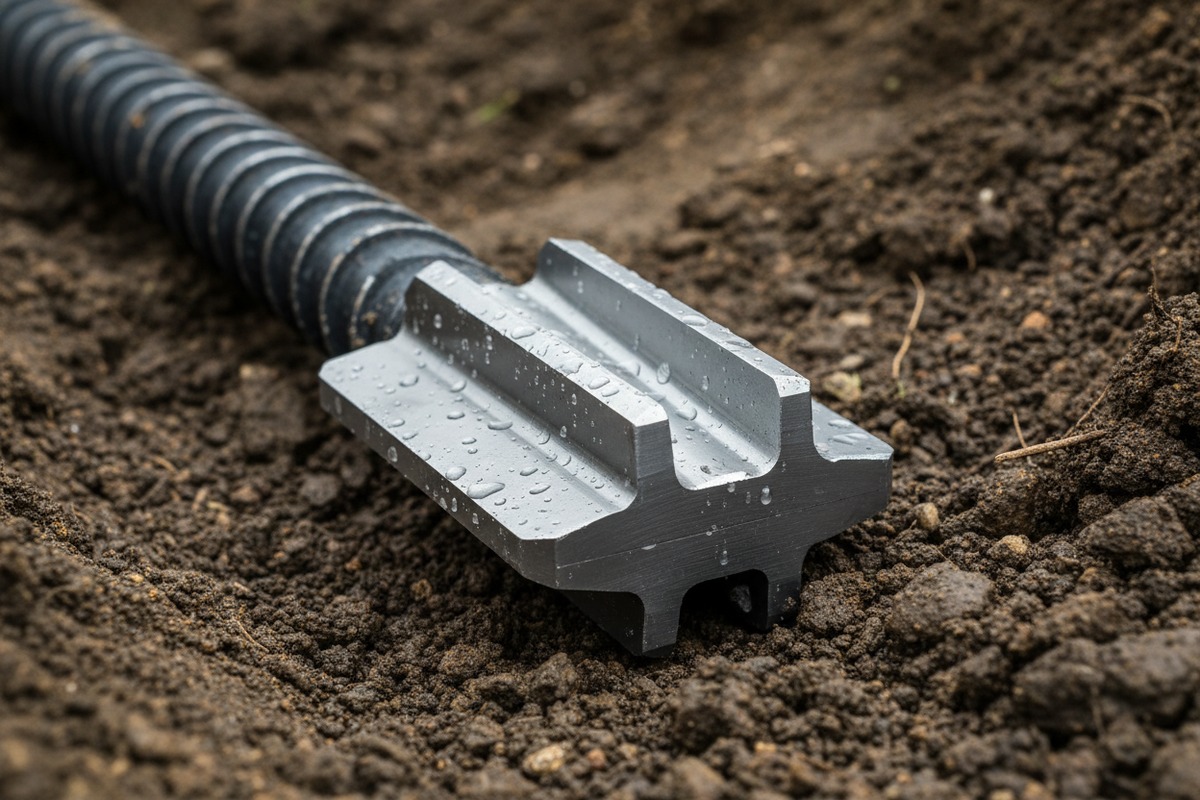
Why Soft Ground Is Tricky
Soft ground includes clay, silt, loose sand, and heavily weathered rock. The UCS is typically under 25 MPa. Abrasiveness is low, so you do not need expensive tungsten carbide 2. But three things go wrong fast:
- Bit balling. Wet clay sticks to the bit face. Cuttings do not clear. The drill string spins in place.
- Borehole collapse. Without intact rock walls, the hole caves in before you finish grouting.
- Plugging. Fine particles enter the hollow bar and block grout flow.
Recommended Bit Types for Soft Ground
The table below summarizes the best options for Grade V and Grade IV-V rock conditions.
| Feature | EX Clay Bit | Arch Bit | Standard Cross Bit |
|---|---|---|---|
| Best For | Clay, silt, soft soil | Loose sand, gravel | Not recommended for soft ground |
| Material | Hardened steel | Hardened steel | Hardened steel or TC |
| Wing Design | Wide, flat wings | Curved arch wings | Narrow cross wings |
| Flushing Channels | Extra-wide | Wide | Narrow |
| Anti-Balling | Excellent | Good | Poor |
| Typical UCS Range | 0–15 MPa | 5–25 MPa | 25+ MPa |
Flushing Port Design Matters
Side-entry flushing holes outperform center-hole designs in collapsing ground. When we design bits for soft soil applications, we position the flushing ports on the side of the bit body. This keeps fine debris from entering the hollow bar and prevents plugging during grout injection. A center-hole design can act like a vacuum in soft material, pulling fines into the drill string.
Sizing the Bit to the Bolt
The bit diameter must be at least 5–10 mm larger than the coupling sleeve 3's maximum diameter. This gap creates a grout annulus around the bolt. In soft ground, this annulus is critical—it is the only thing holding the borehole together after the bit passes through. If the annulus is too thin, grout coverage is incomplete and the anchor loses pull-out capacity.
Drilling Parameters
Keep rotational speed 4 moderate and feed pressure low. High pressure in soft ground pushes the bit off-line. Our technical team usually recommends starting at 50–60% of the rig's maximum feed pressure and adjusting upward only if penetration stalls. Flushing air or water pressure should be high enough to clear cuttings but not so aggressive that it erodes the borehole wall.
In soft ground, the bit is sacrificial—left in the hole with the bolt. This saves time and prevents collapse that would occur during bit retrieval. The cost of a hardened steel clay bit is low, so sacrificial use is economical.
Which drill bit material and shape should I choose for high-strength, abrasive rock formations?
Hard rock 5 above 100 MPa is where projects burn through budgets fastest. When we ship button bits to granite tunnel projects in Norway or Chile, the feedback is always the same: the right carbide grade and button layout make or break the drilling cycle. Choosing poorly here costs far more than the bit itself.
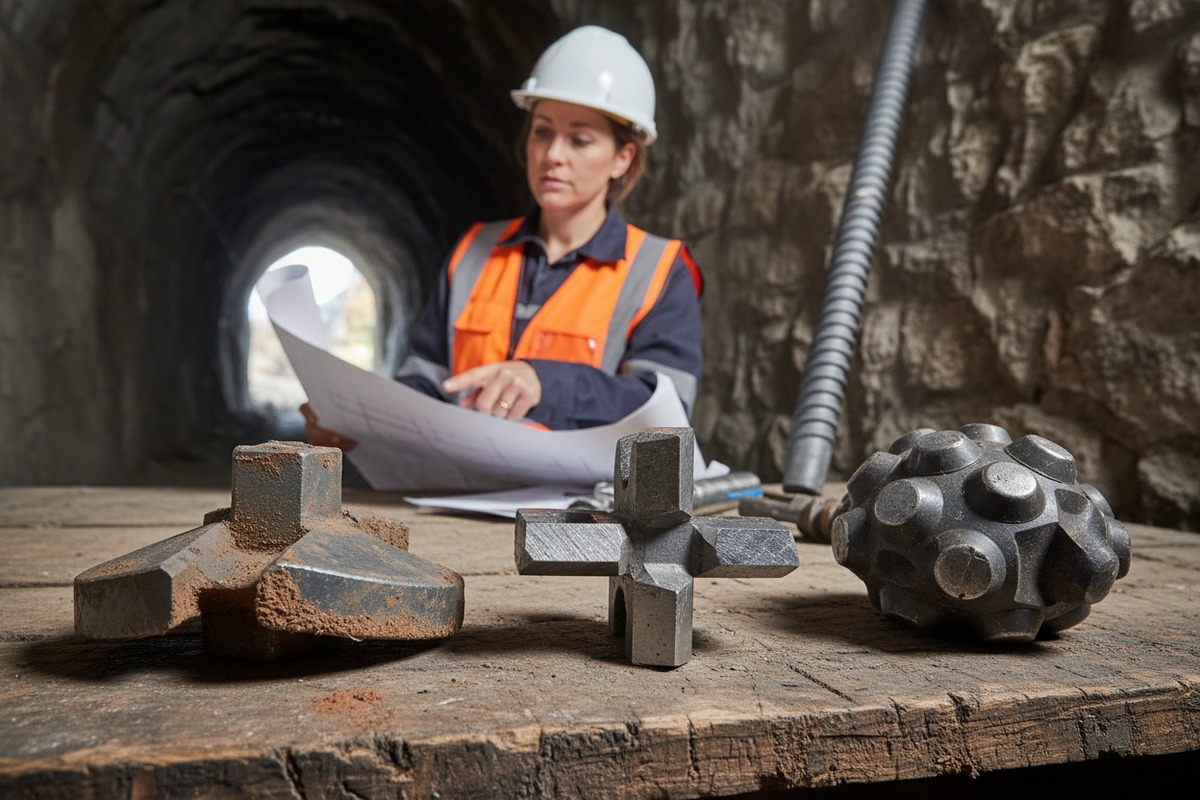
For high-strength, abrasive rock formations above 100 MPa and with high CAI values, choose tungsten carbide button bits (ESS-type) or heavy-duty cross bits with TC inserts. Button bits crush rock through percussive impact, delivering superior penetration rates and 5–10x longer lifespan than hardened steel in abrasive conditions like granite, basalt, and quartzite.
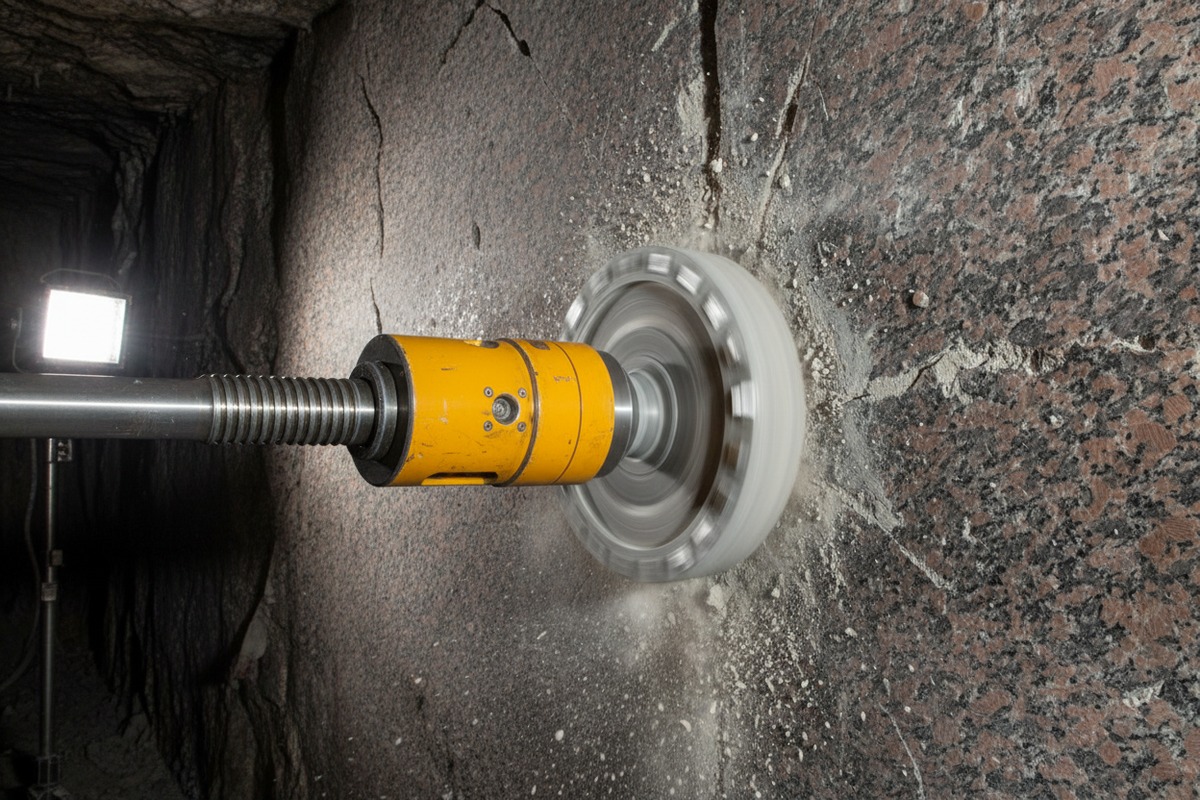
Understanding Rock Hardness and Abrasiveness
Two numbers matter here: UCS and CAI. UCS tells you how hard the rock is. CAI (Cerchar Abrasivity Index) tells you how fast it will wear your bit down.
- Granite: UCS 100–250 MPa, CAI 3.5–5.0 (very abrasive)
- Basalt: UCS 100–300 MPa, CAI 1.5–3.0 (moderate)
- Quartzite: UCS 150–300 MPa, CAI 4.0–6.0 (extremely abrasive)
High silica content 6 is the real enemy. Quartz grains act like sandpaper on your bit. Even if UCS is "only" 100 MPa, a CAI above 4.0 can destroy a hardened steel bit in minutes.
Button Bits vs. Cross Bits in Hard Rock
This is a genuine debate in the industry. Here is how we see it after years of manufacturing both types.
| Factor | TC Button Bit (ESS) | TC Cross Bit (EXX) | All-Steel Cross Bit |
|---|---|---|---|
| Best Rock Type | Intact hard rock (granite, quartzite) | Fractured hard rock | Not recommended above 100 MPa |
| Cutting Action | Crushing via percussive impact | Shearing and chipping | Shearing |
| ROP in Granite | High | Moderate | Very low |
| Lifespan in Abrasive Rock | 5–10x steel | 3–5x steel | Baseline |
| Cost per Bit | 2x steel | 1.5x steel | Lowest |
| Total Cost per Meter | Lowest (20–30% savings) | Moderate | Highest (frequent replacement) |
| Weakness | Button spacing sensitive; higher upfront cost | Lower ROP in intact rock | Rapid wear; project delays |
Gauge Protection Against Necking
Here is something many buyers overlook. In high-silica rock, the bit body wears faster than the buttons themselves. This is called "necking"—the steel between the buttons erodes, and the buttons fall out even though they still have life left. When we manufacture button bits for quartzite applications, we add extra carbide gauge protection around the outer diameter. This keeps the bit body intact and prevents premature button loss.
Bit Face Geometry
For hard rock, concave bit faces improve hole straightness. In heterogeneous layers common at tunnel portals, a flat face tends to wander. A concave or drop-center face creates a pilot point that keeps the hole on track. This is especially important in deep-cover tunnels with high geostatic stress, where rock bursts or squeezing ground can jam a flat-faced bit.
Matching the Rig
Button bits require top-head drive rigs with sufficient percussive energy. If your rig delivers less than the bit's recommended impact force, the buttons will not crush the rock—they will just bounce. Cross bits are more forgiving with rotary rigs but sacrifice ROP. Always confirm rig compatibility before ordering.
Premium TC bits lower the total cost per meter by 20–30% in hard rock, despite costing twice as much upfront. The math is simple: fewer bit changes, less downtime, and faster cycle times.
How can I match specific drill bit types to different RMR or Q-system rock mass ratings?
Geological survey reports 7 land on our desk regularly from clients asking us to recommend the right bit. The challenge is translating RMR or Q-system numbers into a practical bit selection. We have built internal reference charts over years of project feedback from tunnels across South America, Southeast Asia, and Europe.
Match drill bits to RMR/Q-system ratings by combining rock mass quality with UCS and CAI data. RMR below 20 (very poor rock) calls for clay or arch bits with high flushing capacity. RMR 21–60 (poor to fair) suits cross TC bits. RMR above 60 (good to excellent) demands button bits designed for intact, hard rock.
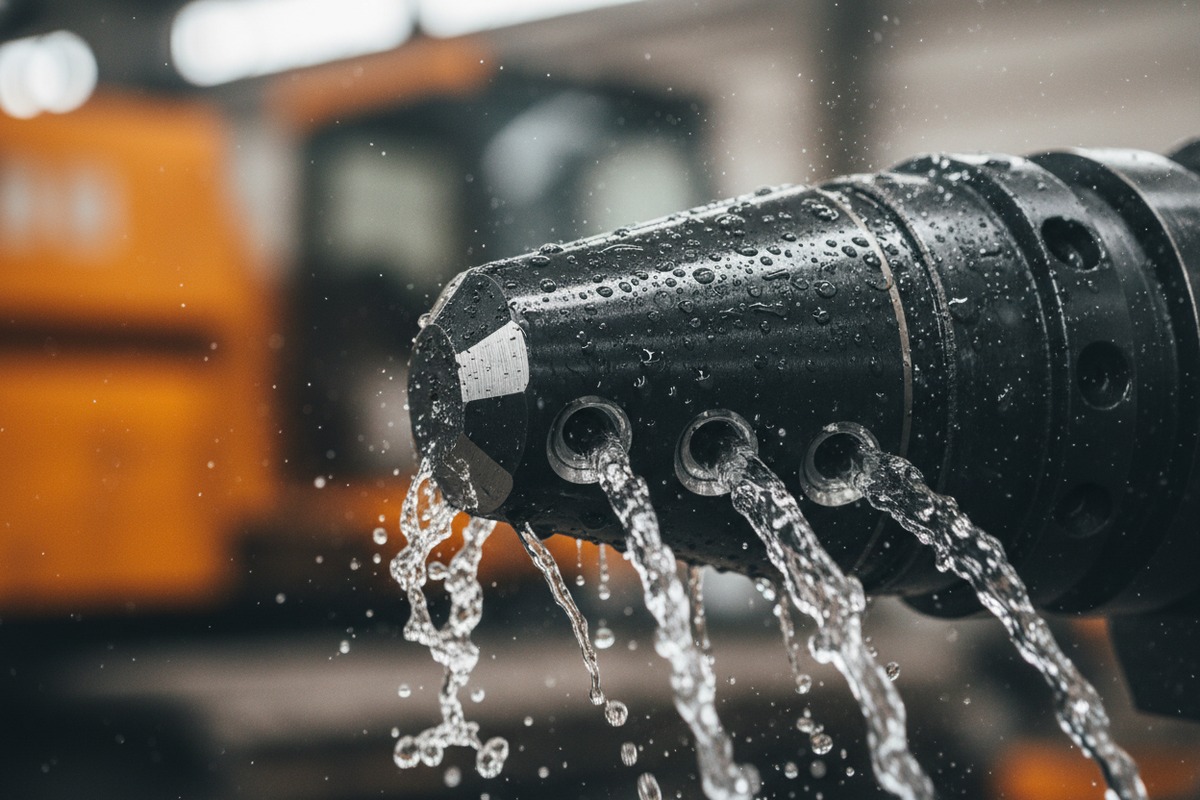
What RMR and Q-System Tell You
The Rock Mass Rating (RMR) system 8 scores rock from 0 to 100. The Q-system uses a logarithmic scale. Both capture more than just hardness—they account for joint spacing, weathering, groundwater, and fracture orientation. A rock mass can be hard but heavily fractured, which changes your bit choice completely.
The Master Matching Table
This is the reference table we share with our overseas clients. It connects rock classification directly to bit recommendations.
| RMR Score | Q-System Range | Rock Mass Class | Typical Conditions | Recommended Bit Type | Bit Material | Key Feature |
|---|---|---|---|---|---|---|
| 0–20 | < 0.1 | V (Very Poor) | Soft clay, loose soil, squeezing ground | EX Clay / Arch bit | Hardened steel | Wide flushing channels, anti-balling wings |
| 21–40 | 0.1–1.0 | IV (Poor) | Weak, heavily fractured, weathered rock | EY 3-cutter / Cross bit | Hardened steel or TC inserts | Moderate flushing, good fracture navigation |
| 41–60 | 1.0–10 | III (Fair) | Medium fractured rock, some intact sections | EXX Cross TC bit | Tungsten carbide inserts | Balance of wear resistance and adaptability |
| 61–80 | 10–100 | II (Good) | Hard rock with few fractures | TC Button bit | Full TC buttons | Crushing action, high ROP |
| 81–100 | > 100 | I (Excellent) | Intact granite, basalt, quartzite | ESS Heavy-duty button bit | Dense TC buttons + gauge protection | Maximum lifespan, drop-center face |
Why Flushing Capacity Trumps Hardness in Poor Rock
This is a point many engineers miss. When the RMR drops below 40, the rock mass is so fractured and unstable that your primary concern shifts from cutting efficiency to hole stability. A bit with superior flushing capacity clears debris faster, reduces heat buildup, and keeps the borehole from collapsing. In these zones, a cheaper hardened steel bit with wide channels outperforms an expensive TC button bit with narrow channels.
Handling Composite Strata
Tunnels rarely stay in one rock grade. A single borehole might start in Class IV weathered rock and end in Class II granite. This is where hybrid bits shine. A cross carbide bit with medium-sized TC inserts handles the transition without a bit swap. Our production line now produces cross TC bits specifically for composite strata—common in urban metro tunnels where geological variability is extreme.
Using Probe Drilling Data
On mega-projects like high-speed rail tunnels 9, probe drilling ahead of the face gives real-time rock data. Some contractors use this data to swap bit types between rounds. We support this approach by keeping multiple bit types in stock and shipping mixed pallets. The trend toward AI-assisted geological modeling is growing, especially in post-2020 infrastructure projects, but even without AI, a systematic probe-drill-and-adapt workflow cuts mismatches significantly.
Non-Return Valves for Fractured Wet Zones
In fractured zones with high water ingress—common in RMR 21–40 rock—bits with integrated non-return valves prevent grout washout. Water pressure pushes back through the hollow bar, diluting or displacing grout before it sets. A non-return valve at the bit blocks this reverse flow and protects anchor integrity.
What should I look for in a drill bit supplier to ensure compatibility with my self-drilling anchor system?
The best bit selection on paper means nothing if the supplier delivers the wrong thread, the wrong diameter, or inconsistent carbide quality. When our team visits trade shows in Las Vegas or Santiago, the number-one complaint from contractors is not about price—it is about bits that do not fit the bolt system they already own.
Look for a drill bit supplier that manufactures bits matched to your specific bolt diameter, thread type, and coupling sleeve dimensions. Verify tungsten carbide grade certifications, confirm the supplier stocks multiple bit types for variable geology, and ensure they provide technical support for drilling parameter optimization.
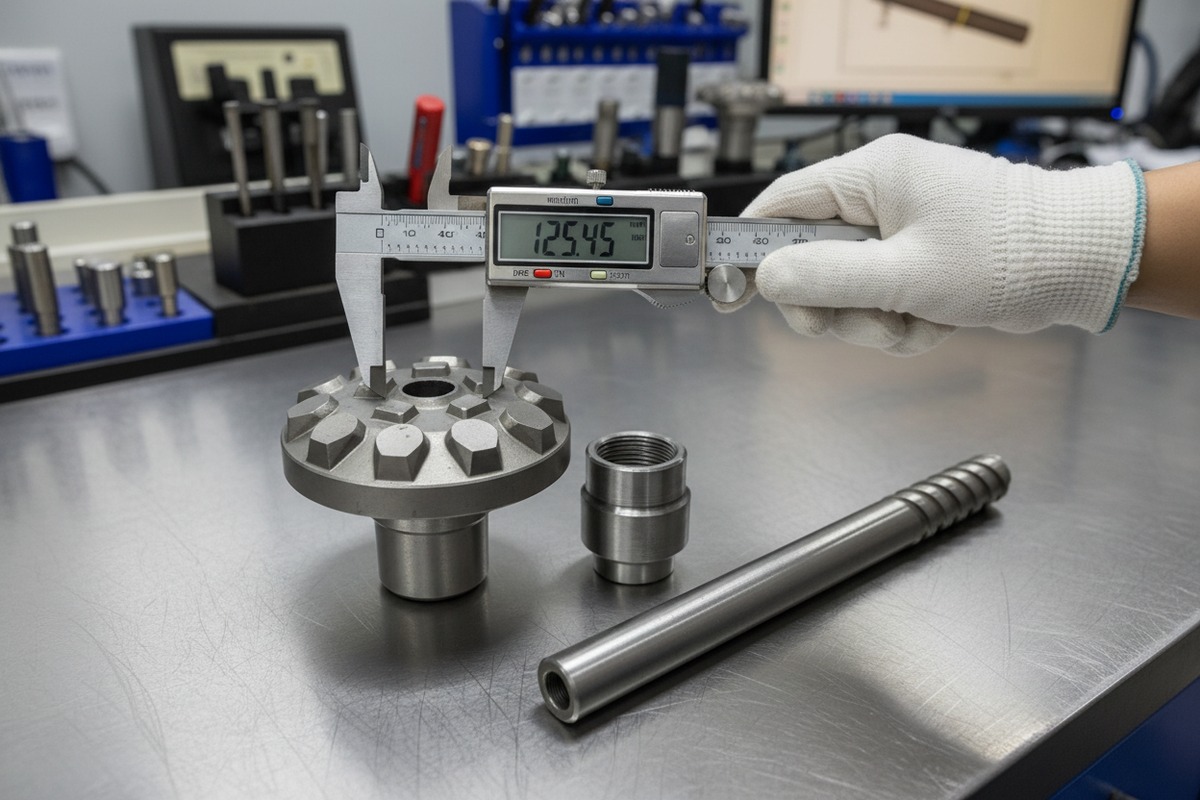
Thread and Diameter Compatibility
Self-drilling anchor systems are not universal. Different manufacturers use different thread profiles—R-thread, T-thread, or proprietary designs. A bit with the wrong thread will either not connect or will fail under torque. Before ordering, confirm:
- Thread type and pitch match your hollow bar.
- Bit outer diameter is 5–10 mm larger than the coupling sleeve.
- The bit's inner bore matches the hollow bar's inner diameter for grout flow.
Carbide Quality Verification
Not all tungsten carbide is equal. Low-grade TC contains impurities that reduce impact toughness. In hard rock, these buttons crack instead of crush. Ask your supplier for:
- Carbide grade documentation (ISO or equivalent).
- Hardness and transverse rupture strength (TRS) data.
- Source of carbide powder (reputable mills vs. recycled material).
Our factory uses carbide from certified mills with TRS above 2,800 MPa for button bits destined for granite projects. This is a non-negotiable quality checkpoint.
Stock Availability and Lead Times
Tunnel projects cannot wait eight weeks for a replacement bit shipment. A reliable supplier maintains buffer stock. We keep 2,000 tons of self-drilling anchor products in our warehouse at any given time, including a full range of bit types. This allows us to ship mixed orders—clay bits, cross TC bits, and button bits on the same pallet—within days.
Technical Support
A good supplier does more than ship boxes. They help you:
- Interpret geological reports and recommend bit types.
- Set drilling parameters (RPM, feed pressure, flushing rate) for each rock grade.
- Troubleshoot problems like bit balling, premature wear, or hole deviation.
What to Ask Before Placing an Order
Here is a quick checklist we recommend to every procurement manager.
- Does the bit thread match my hollow bar exactly?
- Is the bit diameter sized for proper grout annulus with my coupling?
- What carbide grade is used, and can you provide certification?
- Do you stock the full range of bit types for variable geology?
- What is your standard lead time and minimum order quantity?
- Do you offer technical guidance for drilling parameter setup?
- Can you provide project reference cases for similar rock conditions?
OEM and Customization
Some projects demand non-standard solutions. Urban tunnels with mixed-face conditions may need custom bit profiles. Mining operations at extreme depths may require drop-center designs with specific button layouts. A supplier with OEM capability can modify wing angles, button sizes, flushing port positions, and carbide grades to match your exact geology. We provide full OEM and ODM services, and our engineering team works directly with the client's geotechnical consultants to finalize designs before production starts.
DDP Logistics and After-Sales
For US-based buyers, customs clearance and tariff management add complexity. A supplier offering DDP (Delivered Duty Paid 10) terms removes that headache. After-sales matters too—if a batch of bits underperforms, you need a supplier who will investigate, adjust, and replace rather than disappear.
Conclusion
Matching drill bits to rock grade is the single most impactful decision in self-drilling anchor bolt installation for tunnels. Get it right, and you save time, money, and boreholes. Get it wrong, and you risk collapse, delays, and anchor failure. Use geological data, select the correct bit material and geometry, and partner with a supplier who understands your system. If you need guidance on bit selection for your next tunnel project, reach out to us at sales@sdarockbolt.com.
Footnotes
1. FHWA provides official guidelines and standards for highway tunnel projects. ↩︎
2. Details the material properties and industrial applications of tungsten carbide in high-strength drilling tools. ↩︎
3. References mechanical standards for connectors and coupling components in industrial anchoring systems. ↩︎
4. References scientific standards for measuring angular velocity and time in mechanical drilling systems. ↩︎
5. References the ISO standard for classifying hard materials used in industrial cutting and drilling. ↩︎
6. Provides data on the abrasive nature of silica and its impact on industrial equipment. ↩︎
7. USGS is the definitive government authority for geological data and surveys. ↩︎
8. Explains the geotechnical classification system used to evaluate rock quality for engineering projects. ↩︎
9. Provides background on the infrastructure projects where advanced tunneling and anchoring are required. ↩︎
10. Official US government resource explaining international trade terms like DDP. ↩︎