
Every year, our logistics team handles thousands of tons of self-drilling anchor bolts 1 leaving our Shandong warehouse for ports worldwide. We have seen containers arrive with bent rods, corroded threads, and — in rare but devastating cases — not arrive at all. If you source anchor bolts from China, the question is not whether something can go wrong in transit. The question is what happens to your project budget and timeline when it does.
Yes, you should buy shipping insurance when sourcing self-drilling anchor bolts from China. The premium is typically 0.1–0.5% of cargo value, a minimal cost compared to the financial and schedule impact of losing or receiving damaged high-value geotechnical hardware mid-project.
This guide breaks down exactly when insurance is critical, when it might be optional, how Incoterms shift responsibility, and what coverage actually protects you against. Let's walk through each angle so you can make the right call for your next order.
Why should I prioritize shipping insurance for my bulk anchor bolt orders from China?
Over the past two decades, our factory has packed and shipped more than 4,500 containers of self-drilling anchor systems across six continents. That experience has taught us a simple truth: bulk steel products 2 traveling long ocean routes face real, measurable risks. Bending, corrosion, loss at sea, and port theft are not theoretical — they happen, and when they hit a project-critical shipment, the consequences ripple far beyond the invoice value.
You should prioritize shipping insurance because self-drilling anchor bolts are high-value, project-critical items shipped over long distances. A single lost or damaged container can cost tens of thousands of dollars and delay excavation, tunneling, or slope stabilization work by weeks.
The Unique Risk Profile of Anchor Bolts in Transit
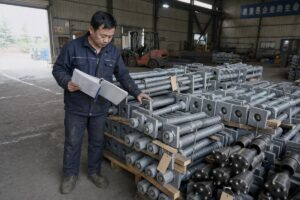
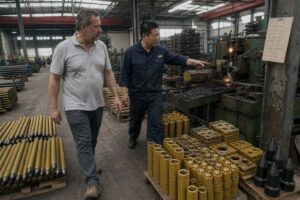
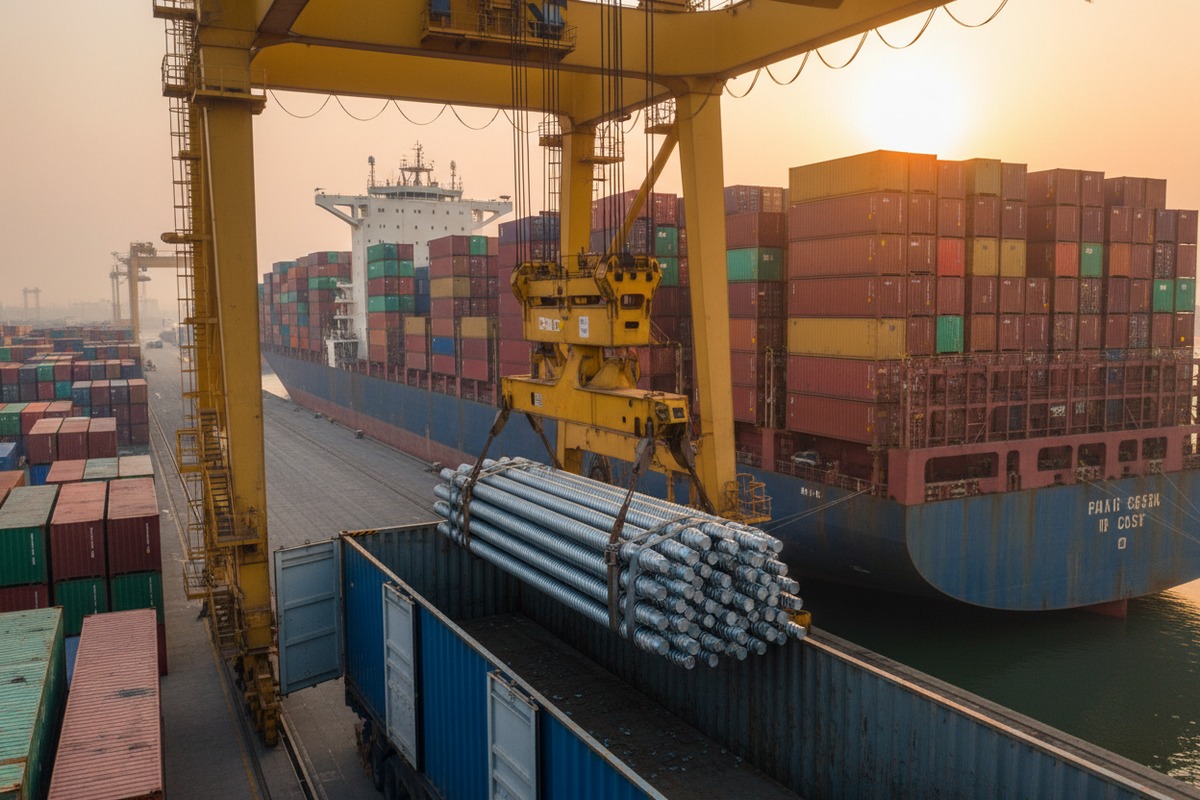
Self-drilling anchor bolts are not small fasteners you toss in a box. They are hollow, high-strength steel bars — often 3 to 9 meters long — bundled with accessories like couplers, drill bits, bearing plates, and nuts. Their length makes them vulnerable to bending during rough handling. Their hollow core can trap moisture, accelerating corrosion on long sea voyages. And their weight means each container carries significant financial value.
What Can Go Wrong — Real Scenarios
Here are the most common transit risks our customers and logistics partners have encountered:
| Risk Category | Example Scenario | Potential Impact |
|---|---|---|
| Physical damage | Forklift punctures bundle wrapping; rods bend during crane transfer | Rods fail tensile tests on site; must be scrapped and reordered |
| Corrosion | Container sweating on a 40-day voyage to South America | Thread integrity compromised; bolts cannot accept couplers or nuts properly |
| Total loss | Container falls overboard during rough weather | Full financial loss of cargo; 8–12 week delay for replacement production |
| Theft or pilferage | Accessories (drill bits, plates) stolen during transshipment | Incomplete system on site; work halted until parts arrive |
| Delay | Port congestion or customs hold due to documentation errors | Project milestone missed; contractor faces liquidated damages |
Why the Financial Exposure Is High
A standard 20-foot container of self-drilling anchor bolts can hold roughly 20–25 tons of product. Depending on the grade (R25, R32, R38, or T76), steel strength class, and accessories included, the cargo value 3 can range from $15,000 to over $80,000 per container. For high-strength grades like Grade 830 or 1080 with specialized anti-corrosion coatings, values climb even higher.
Now compare that to a typical marine cargo insurance premium 4. At 0.3% of cargo value, insuring a $50,000 container costs just $150. That is less than the price of a single coupling set. The math speaks for itself.
Bulk Orders Amplify the Stakes
Most of our B2B buyers — distributors, EPC contractors, mining companies 5 — order multiple containers at a time. A five-container order worth $250,000 is common. Without insurance, a single incident could wipe out the profit margin of an entire project. With insurance, the exposure drops to a manageable premium cost that you can budget in advance.
The bottom line: the combination of high per-container value, long transit distances, and project-critical end use makes shipping insurance not just advisable but essential for bulk anchor bolt imports.
Is the additional cost of cargo insurance worth it for my geotechnical project's bottom line?
When we quote anchor bolt orders, our sales team often hears buyers ask whether insurance is "just another line item eating into margins." We understand the pressure to keep landed costs low. But after watching customers on both sides of this decision, we can say the cost of not insuring almost always outweighs the premium.
Cargo insurance typically costs 0.1–0.5% of your shipment's value — often just $100–$500 for a full container. Compared to potential losses of tens of thousands of dollars, idle project equipment, and schedule penalties, this small premium delivers outsized financial protection.
Breaking Down the Numbers
Let's run a straightforward cost-benefit calculation for a typical order.
| Scenario | Without Insurance | With Insurance (0.3% premium) |
|---|---|---|
| Shipment value | $60,000 | $60,000 |
| Insurance premium | $0 | $180 |
| Total loss event cost to buyer | $60,000 | $180 (premium) + deductible (if any) |
| Partial damage (20% of cargo) | $12,000 out of pocket | Covered minus deductible |
| Project delay cost (2 weeks idle crew) | $8,000–$25,000+ | May be partially recoverable depending on policy |
The premium is a rounding error on most project budgets. The uninsured loss is not.
Hidden Costs Beyond Cargo Value
Many buyers focus only on the invoice price of the bolts. But when a shipment is lost or damaged, the real cost extends much further:
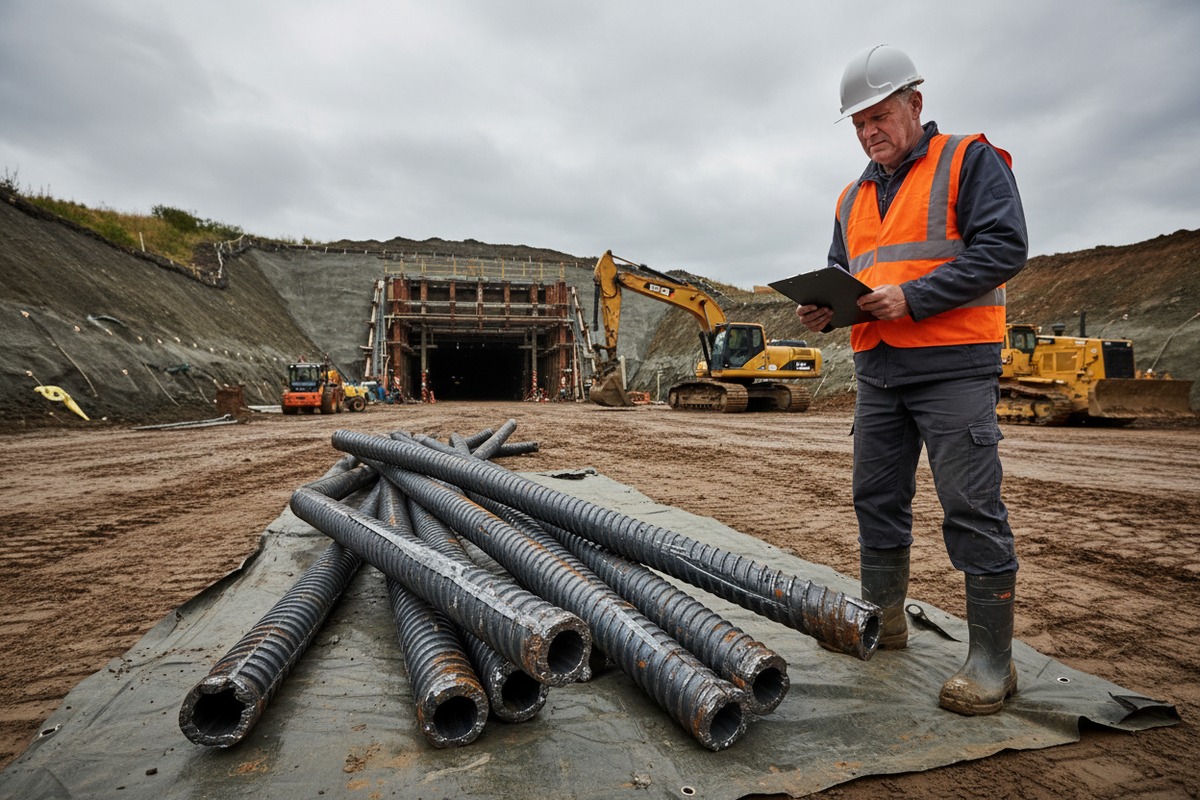
- Replacement production time. Our factory can produce a repeat order in 2–4 weeks, but ocean freight adds another 3–6 weeks. That is potentially two months of delay.
- Idle labor and equipment. A tunneling crew waiting for anchor bolts cannot simply switch to other tasks. Daily standby costs for drilling rigs, grout pumps, and skilled labor add up fast.
- Contractual penalties. Many infrastructure projects carry liquidated damages clauses 6. Missing a milestone because of a lost shipment can trigger financial penalties that dwarf the cargo value.
- Expedited shipping. If you need emergency replacement, air freight for heavy steel products is extraordinarily expensive — often 8–10 times the cost of sea freight.
When the Premium Feels Optional
There are limited situations where skipping insurance can be rational:
- Very small sample orders under $2,000 where the premium may exceed carrier liability limits anyway.
- Buyers who self-insure through corporate risk programs covering all inbound freight.
- Split shipments where you deliberately divide a large order across multiple containers and sailing dates to reduce single-event exposure.
Even in these cases, we recommend at least confirming what coverage your freight forwarder 7 or carrier provides by default. Carrier liability under the Hague-Visby Rules 8 is typically capped at around $500 per package or 2 SDR per kilogram — far below the actual value of a bundle of high-strength anchor bolts.
A Simple Decision Framework
Ask yourself three questions:
- Would losing this shipment hurt my project timeline?
- Would losing this shipment hurt my cash flow?
- Is the insurance premium less than 1% of the cargo value?
If you answer "yes" to any two of these, buy insurance. For most professional buyers of self-drilling anchor bolts, all three answers are yes.
What specific transit risks are covered if my self-drilling anchor bolts are damaged or lost?
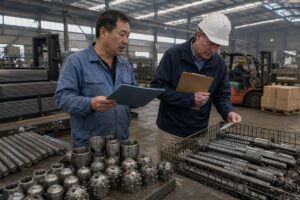
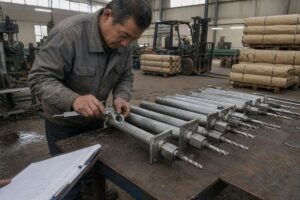
Our quality control team inspects every rod, tests every thread, and photographs every container before the doors close. But once the truck leaves our factory gate, control passes through many hands — port workers, crane operators, vessel crews, and customs agents. Understanding exactly what your insurance policy covers is essential so you are not surprised when filing a claim.
Shipping insurance for anchor bolts typically covers physical damage from rough handling, corrosion from moisture exposure, total loss from sinking or fire, theft and pilferage, and general average contributions. The scope depends on whether you choose all-risk or named-perils coverage.
All-Risk vs. Named-Perils Coverage
The two main policy types differ significantly in what they protect:
| Coverage Type | Institute Cargo Clauses | What Is Covered | What Is Excluded |
|---|---|---|---|
| All-Risk | Clause A | All risks of physical loss or damage unless specifically excluded | Inherent vice, delay, insolvency of carrier, improper packaging by insured, war (separate rider) |
| Named Perils (Broad) | Clause B | Fire, explosion, collision, overturning, earthquake, lightning, washing overboard, water entry | Theft, pilferage, non-delivery, breakage unless caused by a named peril |
| Named Perils (Basic) | Clause C | Fire, explosion, collision, sinking, overturning, general average | Most forms of physical damage, theft, water damage, earthquake |
For self-drilling anchor bolts, we strongly recommend all-risk coverage (Clause A). Here is why.
Risks That Matter Most for Anchor Bolts
Bending and deformation. Long steel rods are especially vulnerable during container loading, port transfers, and vessel stowage. A forklift operator misjudging a lift can permanently bend a bundle of R32 bars. Under Clause A, this physical damage is covered. Under Clause C, it is not.
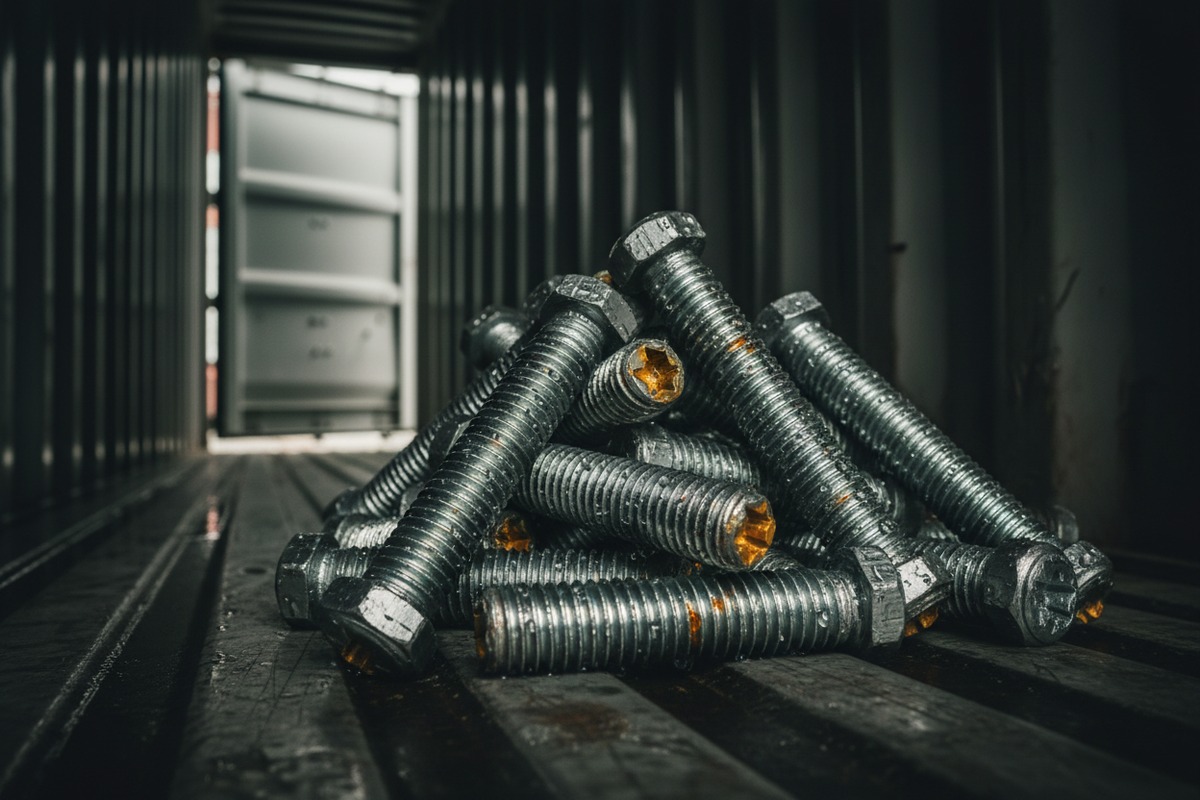
Corrosion and moisture damage. Containers on ocean voyages experience temperature swings that cause condensation — a phenomenon called "container rain." Even with anti-rust oil and plastic wrapping, prolonged exposure can corrode threads and compromise grout holes. Clause A covers this. Clause B covers water damage only from specific events like heavy weather or vessel stranding.
Theft and pilferage. Accessories like drill bits and coupling sleeves are small, portable, and valuable. They are prime targets for pilferage at busy transshipment ports. Only Clause A provides theft coverage as standard.
Total loss. Container lost overboard, vessel fire, or sinking — all three clause levels cover these catastrophic events. But total losses also trigger "general average" declarations, where all cargo owners on a vessel must share in the cost of saving the ship. Without insurance, you pay your share out of pocket.
Common Exclusions to Watch For
No matter which clause you choose, standard marine cargo policies exclude:
- Improper packaging. If the insurer determines that the anchor bolts were inadequately packed — for example, bundles without dunnage or edge protectors — your claim can be denied. This is why we invest heavily in proper export packaging: steel straps, wooden pallets, moisture-barrier wrapping, and desiccant packets.
- Inherent vice. Natural deterioration of the product itself. For steel bolts, this is rarely an issue on normal voyage durations.
- Delay. Financial losses caused solely by delay (not physical damage) are excluded from standard cargo policies. Separate delay-in-startup coverage exists but is uncommon for commodity imports.
- War and strikes. These require separate riders, which are advisable for shipments transiting the Red Sea, Gulf of Aden, or other high-risk zones.
How to Strengthen Your Coverage
Work with your insurer or freight forwarder to:
- Insure at 110% of CIF value (the standard practice to cover incidental costs).
- Add war and strikes clauses if your route passes through conflict zones.
- Specify the packing standards your supplier follows (ISO, SGS-inspected) to preempt exclusion disputes.
- Confirm the claims process — who is the surveyor, what documentation is required, and what is the typical settlement timeline.
How do different Incoterms impact my responsibility to purchase insurance for my Chinese imports?
When our export sales team prepares a quotation, one of the first questions we ask is: "Which Incoterm do you prefer?" The answer shapes not just the price — it determines who is responsible for the goods at every stage of the journey, and critically, who should arrange insurance. Many buyers underestimate how much this single contract term affects their risk exposure.
Incoterms define the point at which risk transfers from seller to buyer. Under FOB, the buyer bears all risk once goods are on board the vessel and must arrange insurance. Under CIF, the seller includes minimum insurance, which is often insufficient. Under DDP, the seller handles everything, but buyers should still verify coverage details.
How the Three Most Common Incoterms Work
| Incoterm | Risk Transfer Point | Who Arranges Main Carriage? | Who Arranges Insurance? | Buyer Action Needed |
|---|---|---|---|---|
| FOB (Free On Board) | When goods are on board the vessel at origin port | Buyer | Buyer | Must purchase own marine cargo insurance |
| CIF (Cost, Insurance, Freight) | When goods are on board the vessel at origin port | Seller | Seller (minimum coverage) | Should review seller's policy; consider supplemental coverage |
| DDP (Delivered Duty Paid) | At buyer's named destination | Seller | Seller (varies) | Must verify coverage limits, exclusions, and named insured party |
FOB: You Own the Risk
FOB is the most common Incoterm for anchor bolt exports from China. Under FOB, the supplier's responsibility ends once the goods cross the ship's rail 9 at the Chinese port. From that moment, you — the buyer — bear all risk of loss or damage.
This means you are responsible for:
- Selecting and paying for ocean freight.
- Purchasing marine cargo insurance.
- Handling customs clearance at destination.
If you buy FOB and skip insurance, you are gambling your entire cargo value on a trouble-free voyage. For bulk anchor bolts worth $30,000–$80,000 per container, that is a gamble most procurement managers should not take.
CIF: Insurance Is Included — But Is It Enough?
Under CIF, the seller includes both freight and insurance in the price. This sounds convenient, but there is a catch. The seller is only obligated to provide minimum coverage — Institute Cargo Clauses C. As we discussed earlier, Clause C is the most basic named-perils policy. It covers sinking, fire, and collision, but not theft, handling damage, or moisture corrosion.
For self-drilling anchor bolts — long, heavy, corrosion-sensitive products — Clause C leaves significant gaps. If you buy CIF, ask your supplier exactly which clause is included. If it is Clause C (and it usually is), consider purchasing a top-up policy to upgrade to Clause A (all-risk) through your own insurer or freight forwarder.
DDP: The Seller Handles Everything — In Theory
DDP means the seller delivers goods to your door, cleared for import, with all costs and risks covered. Some of our customers, especially distributors in the United States, prefer DDP for simplicity. But "all costs covered" does not always mean "fully insured."
Under DDP, you should:
- Request a copy of the seller's insurance certificate.
- Confirm the insured amount covers at least 110% of cargo value.
- Check that you (or your company) are named as a loss payee or have the right to file claims.
- Verify that the policy covers the full journey — including inland transport from the destination port to your warehouse.
Practical Advice From Our Export Team
No matter which Incoterm you use, we always recommend our customers:
- Get written confirmation of insurance terms before shipment.
- Keep copies of the bill of lading, commercial invoice, packing list, and insurance certificate together.
- Photograph the cargo at loading and at receipt.
- Report any damage within 3 days of delivery to preserve your claim rights.
The Incoterm you choose sets the rules. But the rules only protect you if you understand them and act accordingly.
Conclusion
Shipping insurance is one of the smallest line items on your import budget — and one of the most consequential if you ever need it. For most buyers sourcing self-drilling anchor bolts from China, the answer is clear: buy the coverage, verify the terms, and protect your project.
Footnotes
1. Wikipedia entry for rock bolts, the technical category for self-drilling anchors. ↩︎
2. U.S. Department of Commerce resources for the bulk steel products industry. ↩︎
3. Trade department guide on determining cargo value for commercial invoices. ↩︎
4. Wikipedia overview of marine insurance for international shipping. ↩︎
5. World Bank overview of the extractive industries, including mining companies that use anchor bolts. ↩︎
6. Cornell LII offers an authoritative legal definition of this contract penalty mechanism. ↩︎
7. Wikipedia entry for freight forwarder services in international trade. ↩︎
8. Provides essential background on this international shipping liability convention. ↩︎
9. Trade department explanation of risk transfer points like the ship's rail in Incoterms. ↩︎
10. Official ICC resources for understanding international commercial terms and Incoterms rules. ↩︎