
Negotiating warranty terms with a self-drilling anchor bolt supplier in China worries many buyers service-level agreement 1. A vague promise can leave your tunnel or slope project exposed. Our export team sees this weekly.
To negotiate warranty terms with self-drilling anchor bolt suppliers in China, put everything in writing: a 12–24 month warranty starting at delivery or acceptance, defined defect coverage, a 48–72 hour claim acknowledgment window, advance replacement for batch defects, and clear freight responsibility for warranty shipments.
That is the short answer. Below, I will break each point down. I will also share what actually works at the negotiation table, based on years of shipping anchor systems worldwide.
What warranty terms should I expect from a reliable self-drilling anchor bolt supplier in China?
A few years ago, a Chilean mining client asked us why our warranty document was six pages long. My answer was simple: short warranties hide gaps, and gaps become disputes.
A reliable self-drilling anchor bolt supplier in China should offer a written 12–24 month warranty covering manufacturing defects, thread and coupling nonconformance, coating failures, and metallurgy issues. The warranty should start at delivery or project acceptance, not at ex-factory shipment, and exclude only misuse and improper installation.
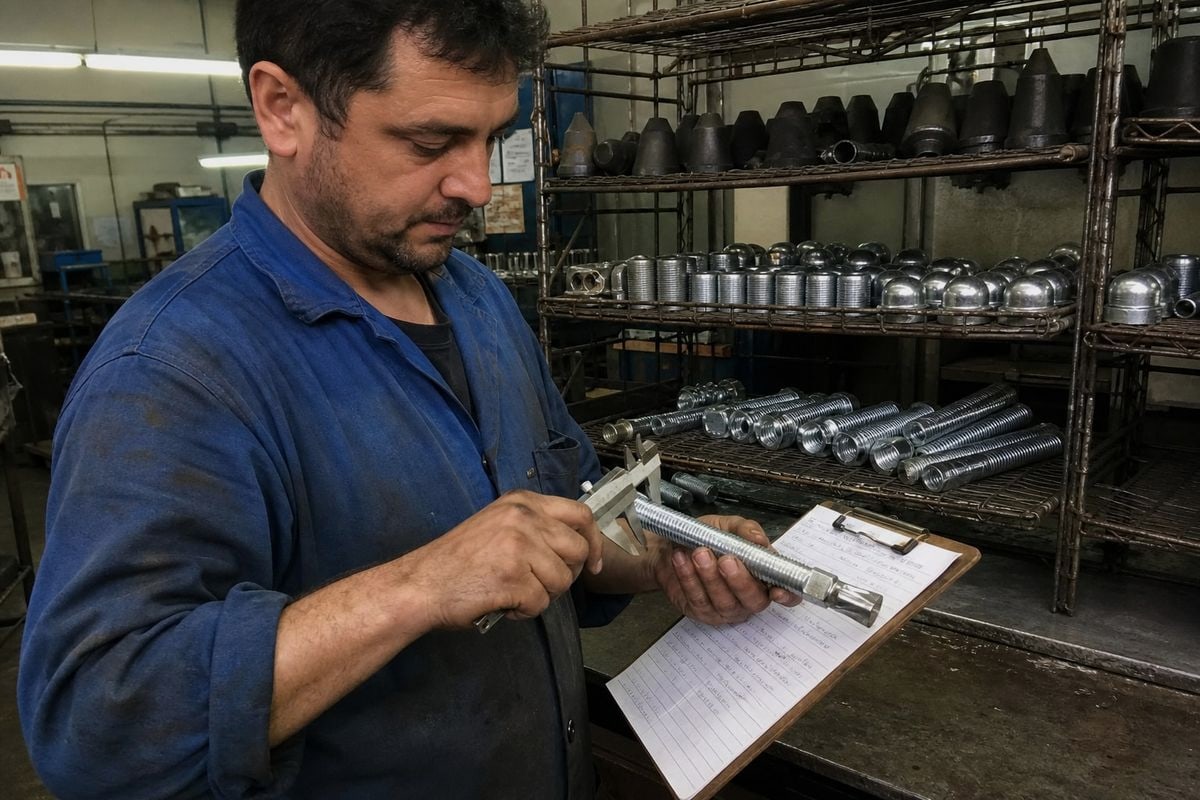
Self-drilling anchor bolts are not commodity fasteners. They go into geotechnical applications 2 like tunnels, slopes, and foundations. A defective batch does not just cost money. It can cause installation failures and serious liability. So the warranty conversation must be stricter than it would be for ordinary hardware.
The warranty start date is the most valuable clause
Buyers often focus on warranty length. In my experience, the start date matters more. A 24-month warranty that starts at ex-factory shipment can lose two or three months to ocean transit and customs. A 12-month warranty starting at project acceptance may protect you better. Here is the negotiation ladder:
| Start Date Option | Who It Favors | Buyer Strength |
|---|---|---|
| Ex-factory shipment date | Supplier | Weakest |
| Arrival at buyer's port or warehouse | Balanced | Better |
| Project acceptance or first-use testing | Buyer | Strongest |
What coverage should include and exclude
Attach the product specification sheet to the contract. Then anchor the warranty to those measurable product quality standards. Coverage should include manufacturing defects 3, dimensional nonconformance, thread defects, coupling failures, and coating problems. Exclusions will typically include wear, site handling damage, and improper installation. That split is fair. We accept liability for what leaves our factory. We cannot control what happens on a drill rig in Peru.
Also ask about an epidemic failure clause 4. This states that if defects exceed a threshold, often 3% of a lot, the supplier replaces the entire lot, not just the failed pieces. Serious suppliers who run tight quality control inspections will accept this. Suppliers who resist it are telling you something.
How can I negotiate faster after-sales response times for urgent project needs?
There is a trade-off we weigh on every contract: faster committed response times raise our internal costs, so we price and staff for them deliberately. Buyers who understand this negotiate better outcomes.
Negotiate a written service-level agreement with three separate deadlines: claim acknowledgment within 24–72 hours, technical diagnosis within 5–7 business days, and replacement shipment within an agreed lead time. Tie faster tiers to order volume, and lock in advance replacement for confirmed batch defects.

"We received your complaint" is not the same as "your replacements ship Friday." That is why I always tell buyers to split the after-sales commitment into three measurable steps. Each step gets its own clock in the contract.
Build a tiered SLA
A tiered after-sales agreement works well. High-priority issues, such as a batch defect stopping a tunnel crew, get the fastest track. Low-value or disputed claims follow a slower documented path. Good lead time management on the supplier side makes this possible. Our factory keeps around 2,000 tons of stock precisely so urgent replacements do not wait on a production slot. Ask your supplier what their standing inventory and spare parts availability actually look like. Then write those numbers into the agreement.
Do not let customs delays destroy your SLA
Here is a lesson from our own shipping practice. An urgent replacement means nothing if the pallet gets held at customs. Wooden pallets need a compliant IPPC mark under the ISPM15 standard 5, showing heat treatment (HT) or methyl bromide (MB) fumigation. The mark must be a permanent branded stamp with the IPPC logo, CN country code, official facility number, and treatment method. A sprayed, blurred, or fake stamp gets goods detained even with a certificate. And some destinations require a paper fumigation certificate on top of the stamp. That certificate is only valid for 21 days, so goods must ship within 21 days of treatment or be re-fumigated.
| Destination | IPPC Stamp Required | Paper Fumigation Certificate |
|---|---|---|
| USA, Canada | Yes | Mandatory; stamp alone risks forced return or pallet destruction |
| Australia, New Zealand | Yes | Mandatory; missing certificate triggers dockside fumigation and heavy fees |
| Brazil, Chile, South Africa | Yes | Mandatory |
| EU, Japan, Korea, Mexico, most of Southeast Asia | Yes | Usually not required if the stamp is clean and compliant |
Before every shipment, we confirm the destination country, ask the client whether clearance needs the original or scanned certificate, and check that both faces of every pallet carry a clear branded IPPC mark with no bark, soil, or worm holes. Ask your supplier to commit to the same routine in writing. It is one of the most overlooked international sourcing risks in urgent warranty shipments.
What questions should I ask before signing a warranty agreement with a Chinese manufacturer?
Last spring, a US procurement manager sent us a two-page question list before her first order. It was the smoothest contract negotiation we had all year, because nothing was left vague.
Before signing, ask who pays warranty freight, when the warranty clock starts, what evidence a claim requires, whether advance replacement applies to batch defects, which third-party inspector resolves disputes, how long spare stock stays available, and whether an epidemic failure clause covers lot-wide failures.
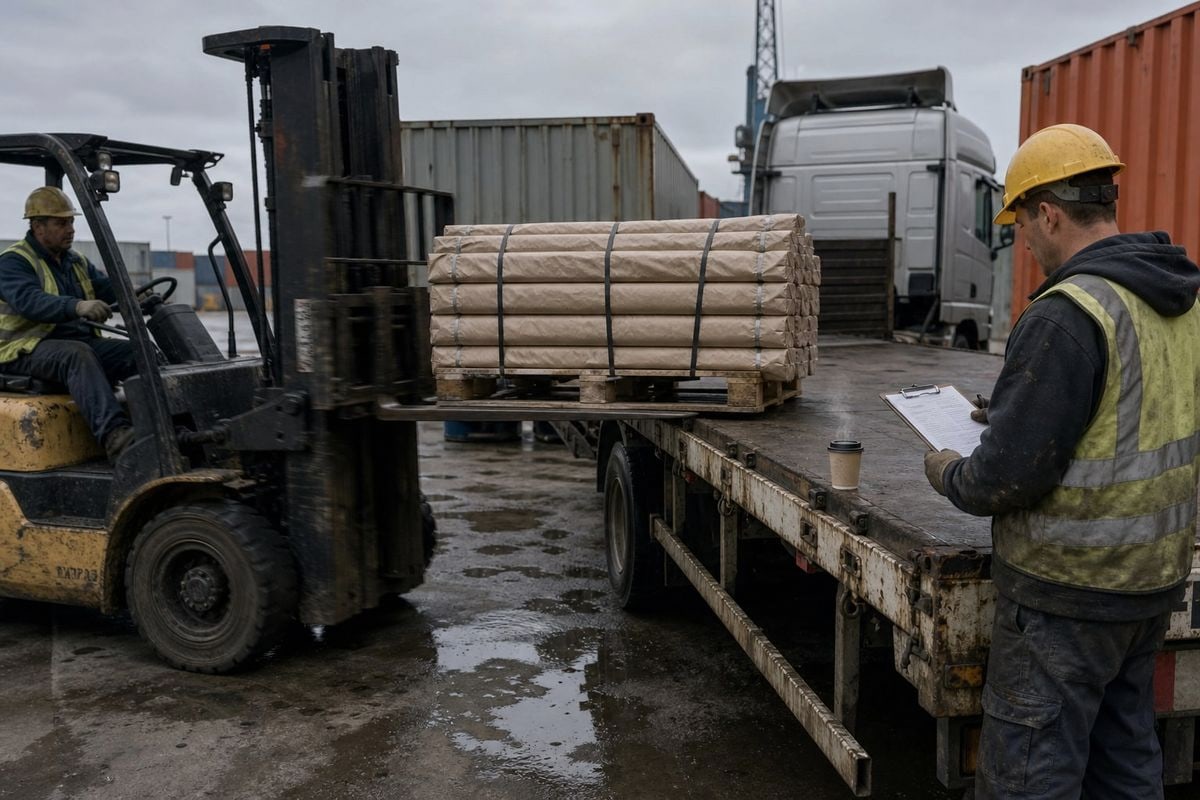
Good questions expose weak suppliers before money changes hands. I have watched buyers skip this step and regret it. Here is a practical question set, grouped by topic.
The pre-signing question checklist
| Topic | Question to Ask | Red Flag Answer |
|---|---|---|
| Start date | When exactly does the warranty begin? | "From our shipment date" with no flexibility |
| Freight | Who pays outbound, return, and expedited air freight on claims? | "We will discuss it if it happens" |
| Remedy | Do you ship replacements before receiving returned goods? | "Return first, always" |
| Evidence | What documents does a claim need? | No defined procedure at all |
| Disputes | Will you accept SGS, Bureau Veritas, or Intertek as a binding referee? | Refusal of any third-party inspection |
| Traceability | Can you trace every lot to heat numbers and mill certificates? | No batch records kept |
| Continuity | How long will matching accessories and couplings stay available? | No spare-stock commitment |
Put the answers into contractual agreements
Verbal answers are worthless the moment a dispute starts. Insist on a bilingual English-Chinese sales contract that goes far beyond a simple proforma invoice. Separate technical specifications from commercial terms so neither gets muddled. You can also discuss payment terms as a protection tool. A small holdback, escrow arrangement, or performance bond released after an agreed inspection window gives the supplier a real financial reason to honor commitments. Some larger buyers even ask whether the supplier maintains a warranty reserve for claims. We do not object to these structures. A supplier confident in its product quality standards should not fear them either. Finally, request a supplier audit or at least a documented pre-shipment quality control inspection before goods leave the factory. Prevention beats any warranty claim.
How do I ensure my supplier honors technical support commitments after the sale?
One Norwegian contractor told me bluntly at a trade show: every supplier promises support before the PO, and half disappear after final payment. His skepticism was earned, and it shaped how we now structure post-sale support.
Ensure compliance by converting support promises into measurable contract obligations: named technical contacts, defined escalation steps, a shared claim-tracking log, documented response deadlines, and financial levers like payment holdbacks. Then preserve leverage through repeat orders, framework agreements, and complete written records of every interaction.
Enforcement is really about two things: structure and leverage. Structure means the obligations are measurable. Leverage means the supplier has a reason to perform.
Turn support into a system, not a favor
Ask for a named technical contact and a named backup, with their roles written into the agreement. Then propose a shared digital log, even a simple spreadsheet, where every claim, question, and response gets time-stamped. This creates transparency and accountability. It also builds the evidence file you would need if a dispute ever escalated to third-party inspection. third-party inspector 6 In our own operation, technical queries about drilling parameters or grout compatibility in geotechnical applications route to engineers, not sales staff. Ask your supplier who actually answers technical questions. If the answer is "the salesperson," support quality will be shallow.
Use commercial leverage wisely
Supplier relationship management cuts both ways in China. Long-term buyers genuinely get better treatment. A framework agreement covering multiple projects gives your supplier a reason to invest in your success. It also gives you standing to demand faster escalation when something goes wrong. Some buyers push further and ask the supplier to help facilitate a local service or inspection partner in their region for faster diagnostics. That is reasonable for large recurring volumes. Meanwhile, keep records of everything: receipt dates, testing results, installation photos, lot numbers, and mill certificates. A supplier who knows you document everything responds faster. That is human nature, and it works in your favor.
Conclusion
Weak warranty terms turn small defects into project crises. Negotiate the start date, scope, SLAs, freight, and evidence rules in writing, and your China supplier becomes a genuine partner.
Footnotes
1. A contract defining service quality, availability, and responsibilities between a provider and customer. ↩︎
2. Explains the branch of civil engineering dealing with earth materials and their engineering behavior. ↩︎
3. Replaced HTTP 404 link with an authoritative academic source (.edu) on manufacturing defects. ↩︎
4. Protects a party in an agreement against liabilities associated with recurring product defects. ↩︎
5. International regulation for treating wood packaging material to prevent the spread of pests and diseases. ↩︎
6. Independent professional verifying products, materials, or processes against specified standards and regulations. ↩︎
7. An umbrella contract setting general terms, pricing, and conditions for future purchases over time. ↩︎