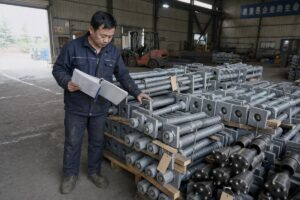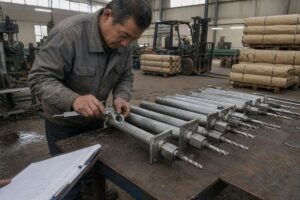
Confirming Chinese self-drilling anchor bolt 1 threads fit US rig equipment is the question our export team in Shandong answers most often. One wrong thread wastes weeks and thousands of dollars on site.
To confirm Chinese self-drilling anchor bolt threads fit US rig equipment, match the exact thread family (R25–R51 rope thread or T30–T103 trapezoidal thread), verify pitch, handedness, and ISO 10208 dimensions against your rig adapter, then validate with dimensional drawings, gauge checks, and a physical sample coupling test.
That answer sounds simple. In practice, each step hides traps. Below, I walk through the full fit-check workflow we use with our US buyers, so your order mates with your drill string the first time.
What Thread Specifications Should I Compare Before Ordering From a Chinese Supplier?
Last year, a Colorado contractor sent our engineers a photo of his shank adapter and asked, "Will your R32 fit this?" A photo alone could never answer that question safely T-thread anchor bolt 2.
Before ordering, compare five specifications: thread family (R-type rope thread vs T-type trapezoidal thread), nominal size (R25–R51, T30–T103), thread pitch and profile per ISO 10208, thread handedness (left or right), and the outer diameter plus wall thickness shown on the supplier's dimensional drawing.
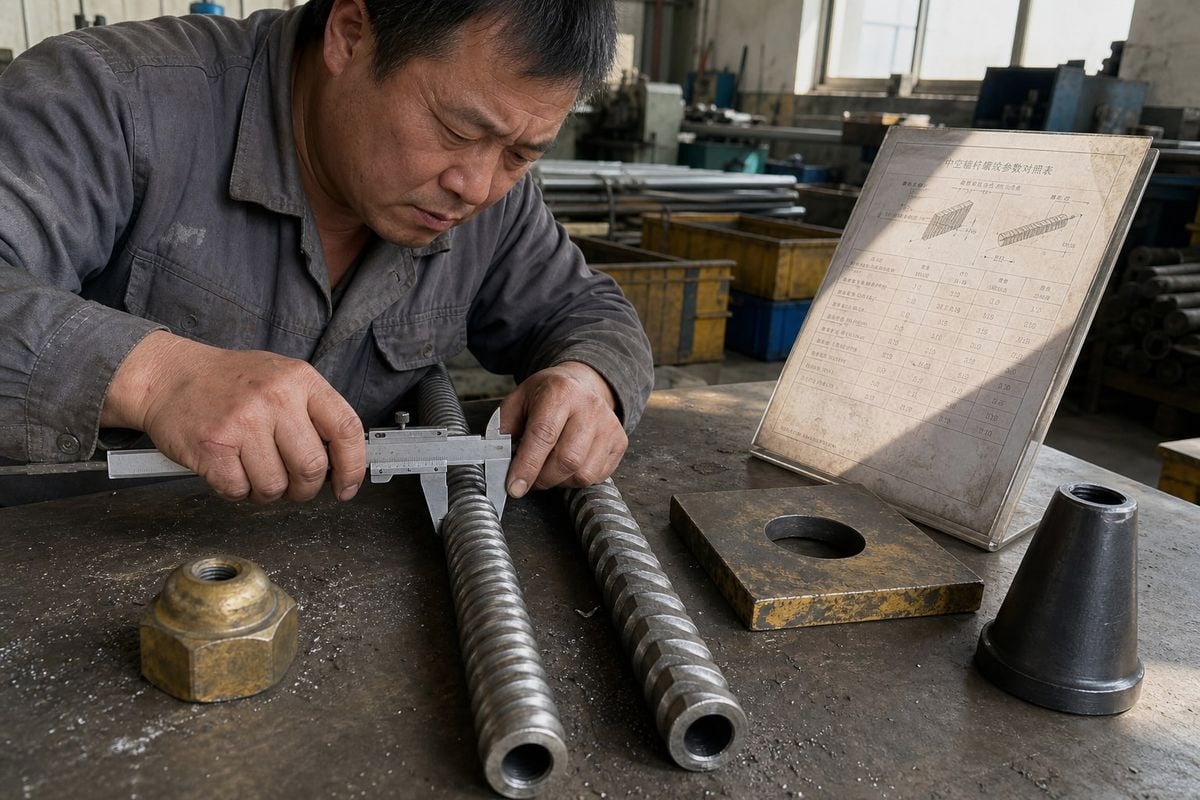
Thread family is the first fork in the road. Chinese self-drilling anchor systems ship in two main families. R-thread anchor bolts 3 use a rounded rope thread. T-thread anchor bolts use a trapezoidal profile. These two families never interchange. A T40 nut will not run onto an R38 bar, no matter how close the diameters look. Both families follow metric thread standards, which matters because much US legacy hardware was built around imperial thread standards. Your rig's drifter or power head may need an adapter sub just to enter the metric world.
The Core Specification Checklist
Here is the comparison table we send every new US buyer:
| Specification | R-Type (Rope Thread) | T-Type (Trapezoidal Thread) | Why It Matters for Fit |
|---|---|---|---|
| Common sizes | R25, R32, R38, R51 | T30, T40, T52, T73, T76, T103 | Size names must match exactly |
| Thread profile | Rounded rope form | Trapezoidal form | Profiles never interchange |
| Reference standard | ISO 10208 / ISO 1720 | ISO 10208 references common | Confirms geometry basis |
| Handedness | Left or right hand | Left or right hand | Wrong hand loosens under rotation |
| Pitch | Family-specific | Family-specific | Wrong pitch jams or strips |
Size Names Are Not Enough
One warning from our two decades of exporting: two suppliers can both sell "T76" bars with different wall thicknesses, cross-sectional areas, and load classes. Performance class is not a compatibility class. A T40/16 and a heavier T40 variant share a thread but behave differently under load. Always request the dimensional drawing, not just the catalog name. Accurate bolt diameter measurement — outer diameter, inner diameter, and thread crest dimensions — belongs in your purchase file before any money moves.
How Can I Verify Thread Compatibility Without Receiving a Physical Sample First?
There is a trade-off I weigh with every buyer: sample shipments to the US take one to two weeks, but project schedules rarely wait. So we built a remote verification process that catches most mismatches on paper.
Verify compatibility remotely by exchanging dimensional drawings for both the anchor and your rig adapter, comparing pitch, profile angle, major and minor diameters, and handedness against ISO thread specifications, then requesting thread gauge inspection records or a video of a go/no-go gauge test at the factory.
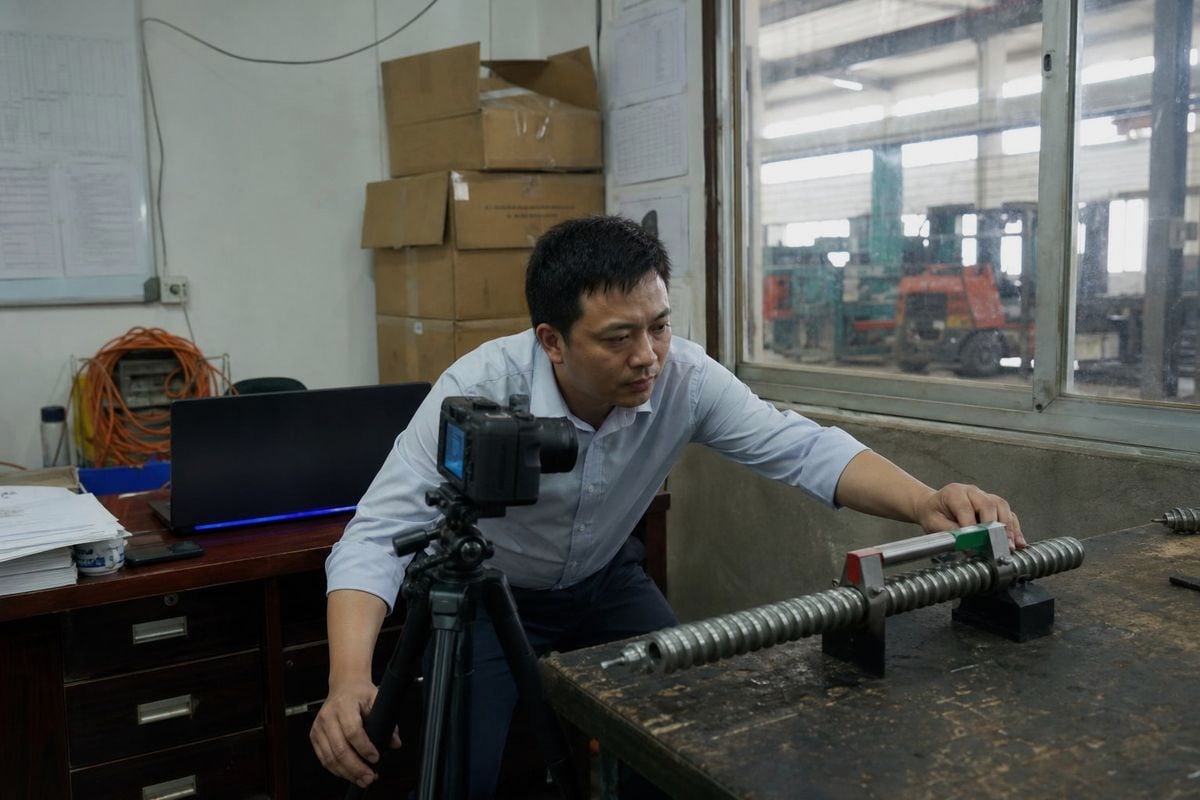
Paper verification works when both sides measure the same things the same way. Start by identifying what your rig actually connects to. Most US rigs do not touch the anchor bar directly. The drill string runs through a shank adapter, then a coupling sleeve, then the hollow bar. Compatibility must hold at every junction, not just one.
A Four-Step Remote Verification Process
- Identify the rig-side spec. Pull the part number of your shank adapter or coupling. Ask the US vendor for its thread drawing. If they only say "T-thread," push for pitch and profile numbers.
- Request the Chinese supplier's drawing. Our factory issues full dimensional drawings with tolerance tables for every thread family we roll. Any serious supplier can do the same within a day.
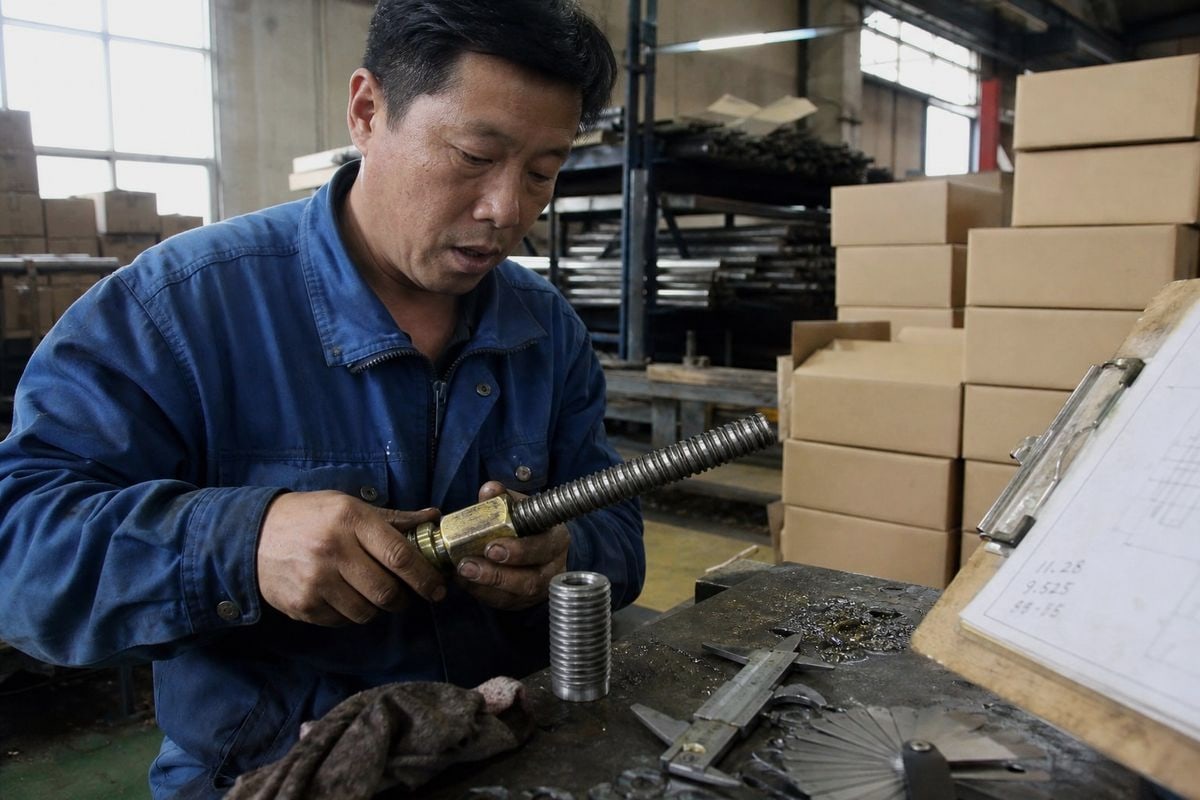
- Overlay the numbers. Compare major diameter, minor diameter, pitch, flank angle, and hand. Simple thread identification tools help here: a thread pitch gauge 4 and calipers on your existing hardware confirm what you already run.
- Ask for gauge evidence. We record short videos of go/no-go ring gauge 5 checks on the exact production lot. Certified thread gauges give physical proof before anything ships.
What Remote Checks Cannot Catch
Remote verification has limits. Surface finish, coating thickness on galvanized bars, and thread run-out can still cause tight coupling in the field. That is why we treat the paper check as a filter, not a final sign-off. It removes obvious mismatches. A sample coupling test — threading your actual US-sourced nut or coupling onto our bar — remains the last gate before bulk production. A fastener conversion chart also helps US teams translate metric callouts into familiar imperial references, but never use a conversion chart as a substitute for the actual drawing.
What Documentation Should I Request to Confirm Thread Fitment With My Drilling Rig?
A procurement manager from Texas once told me she nearly accepted a shipment based on a one-page certificate that said only "ISO standard." Her field crew caught the missing handedness data before installation. That near-miss reshaped how we package documentation.
Request five documents: a dimensional drawing with thread tolerances, a thread gauge inspection report for your production lot, material test reports confirming steel grade, a certificate of conformity referencing ISO 10208, and a system compatibility statement listing the matching nut, coupling, drill bit, and adapter.
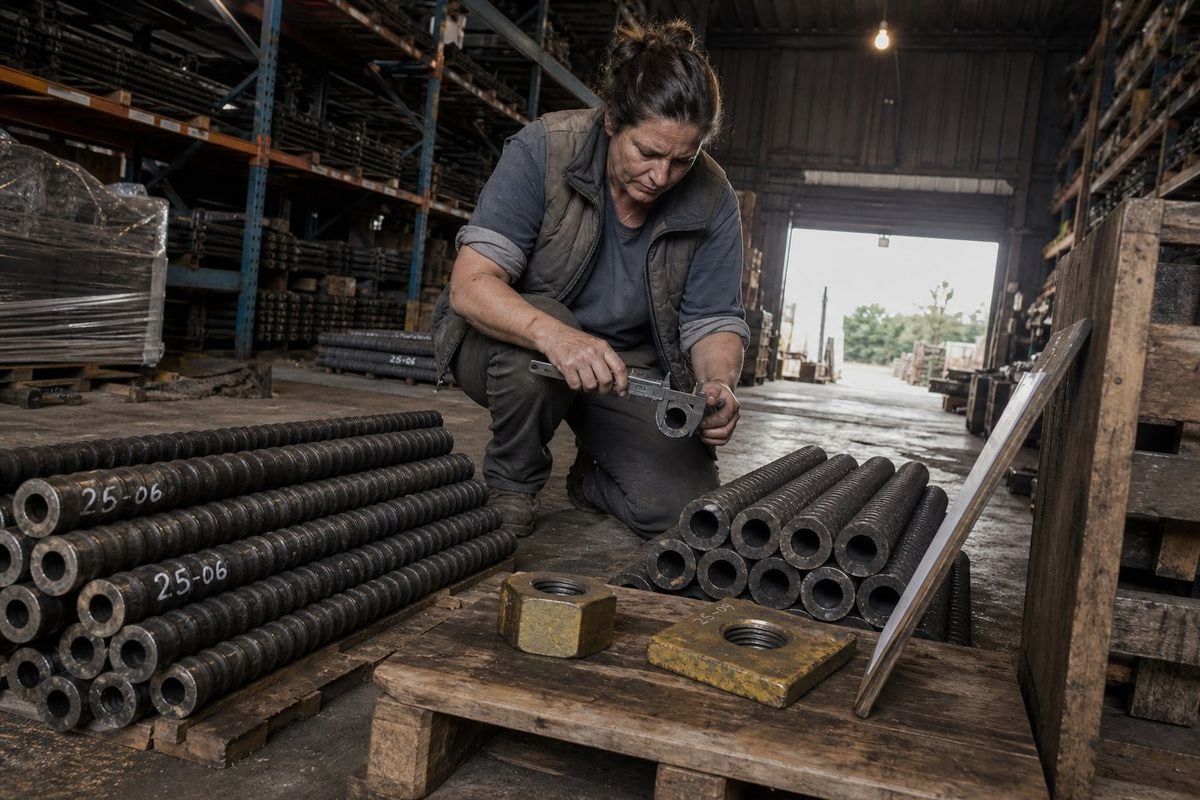
Documentation answers two different questions, and buyers often confuse them. Certificates and material test report 6s tell you the bolt is strong enough. Dimensional drawings and gauge reports tell you the bolt will actually couple. Your rig operators care about the second question just as much as your engineers care about the first. A complete package covers both.
The Document Package, Item by Item
| Document | What It Proves | Red Flag If Missing |
|---|---|---|
| Dimensional drawing with tolerances | Exact thread geometry and hand | "ISO standard" claimed with no drawing |
| Thread gauge inspection report | Your lot passed go/no-go checks | Only generic factory QC statements |
| Material test report (MTR) | Steel grade, yield, and ultimate load | Load values listed without thread geometry |
| Certificate of conformity | Compliance with ISO thread specifications | Vague "international standard" wording |
| System compatibility statement | Nut, coupler, bit, and adapter all match | Bolt sold alone with no accessory data |
Why the System Statement Matters Most
A self-drilling anchor system is not one part. It is a hollow high-strength bar, a sacrificial drill bit, a coupling sleeve, a bearing plate, a washer, and a hex nut working together. Our production line builds these as matched sets, and our compatibility statement names each mating part by drawing number. When a buyer mixes our bar with a US-sourced coupling, we ask for that coupling's spec and confirm fitment in writing. For US buyers, MTRs referencing recognized benchmarks — including how our steel grades map against ASTM material standards — also smooth customs review and engineering acceptance. Some buyers commission independent metallurgical analysis on arrival. We encourage it. Third-party confirmation costs little compared to a rejected shipment.
How Do I Avoid Costly Thread Mismatches When Importing Anchor Bolts From China?
The hardest lesson from our early export years: the most common failure mode in this trade is not a broken bolt. It is a perfect bolt that will not thread onto anything the customer owns.
Avoid mismatches by ordering a sample set before bulk purchase, specifying every mating part in the purchase order, requiring a documented coupling test as the acceptance criterion, confirming handedness for all components, and sourcing adapter subs when Chinese metric threads meet US imperial hardware.
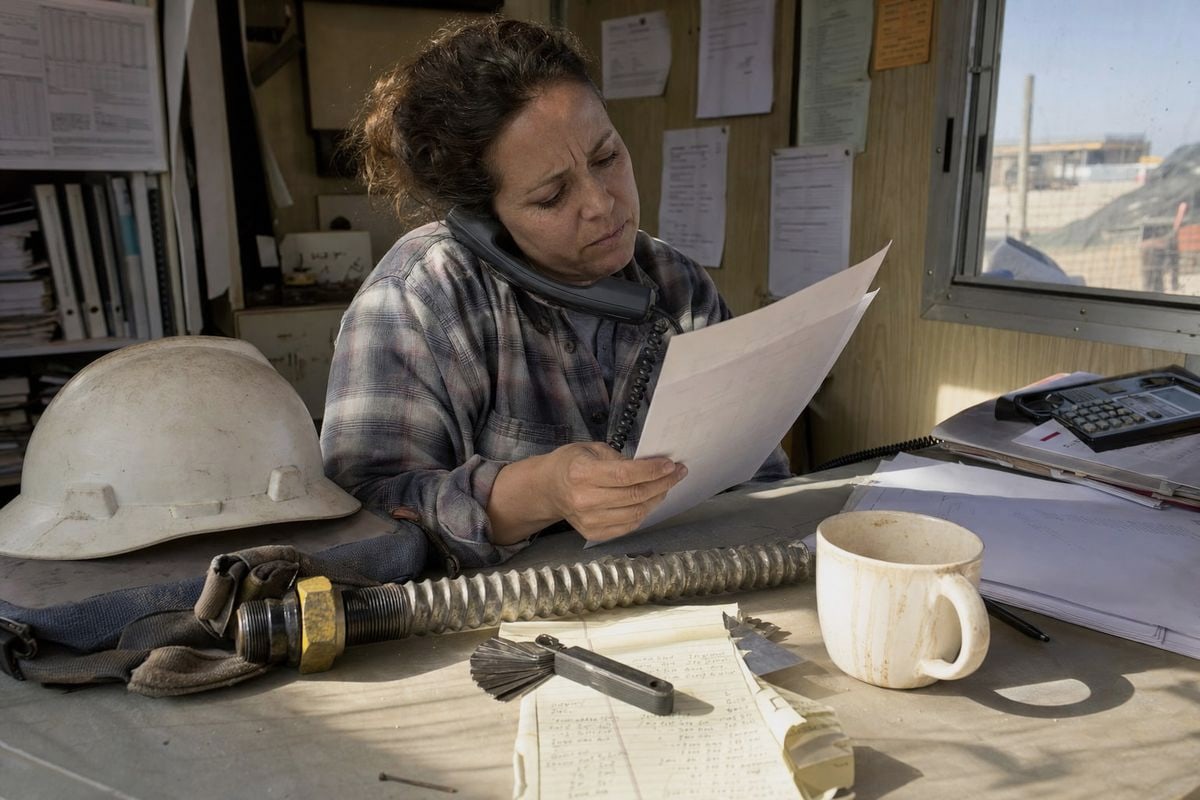
Prevention costs far less than correction. A mismatched container sitting at a US port racks up storage fees, re-machining costs, and schedule penalties on tunneling or slope stabilization projects. Here is how disciplined buyers structure the purchase to make mismatch nearly impossible.
Structure the Purchase Order Around Fit
Write the purchase order to name every part: bar, nut, coupling, drill bit, plate, washer, and any shank adapter. State the thread family, size, pitch, and hand for each. Then add one sentence that changes everything: acceptance is based on a successful physical coupling test with the buyer's rig hardware, not on paper compliance alone. We accept these terms because our QC team runs that exact test before packing.
Common Red Flags Versus Safe Signals
| Red Flag | Safe Signal |
|---|---|
| "Fits all rigs" marketing claims | Fitment confirmed against your named adapter |
| No handedness stated anywhere | Left/right hand printed on drawing and label |
| Load table with no thread geometry | Geometry and load data presented together |
| Mixed size naming (SET73, T73) unexplained | Naming convention mapped to ISO sizes |
| Refuses sample or gauge video | Offers sample set and go/no-go verification |
When Direct Fit Is Impossible
Sometimes your rig's power head or legacy mining hardware simply will not accept metric threads directly. Do not force it. Adapter subs solve this cleanly. We machine crossover adapters for buyers running older US drifters, and some buyers use local US precision machining shops for custom thread matching. Rigging equipment compatibility should be settled at the adapter level, not by hoping a near-miss thread will "wear in." It will not. It will gall, seize, or loosen. Also plan the import side early: correct HTS classification and tariff planning prevent the customs delays that turn a small fit issue into a project crisis. With 2,000 tons of standard sizes in stock, we can often replace a wrong item fast — but the goal is never needing to.
Conclusion
Thread mismatch, not strength, kills most imports. Match the family, size, pitch, and hand, demand drawings and gauge proof, then confirm with a sample coupling test before bulk ordering.
Footnotes
1. Replaced HTTP 403 with a comprehensive guide on self-drilling anchors from an industry supplier. ↩︎
2. Replaced HTTP unknown with an article directly comparing R-thread and T-thread self-drilling anchors. ↩︎
3. Replaced HTTP 404 with an article directly comparing R-thread and T-thread self-drilling anchors. ↩︎
4. Replaced HTTP 403 with an authoritative Wikipedia page explaining thread pitch gauges. ↩︎
5. Replaced HTTP unknown with an authoritative Wikipedia page explaining go/no-go gauges. ↩︎
6. Replaced HTTP unknown with a comprehensive guide on Material Test Reports (MTRs). ↩︎