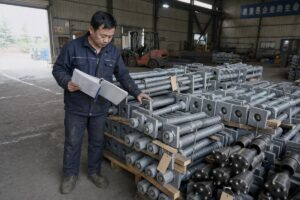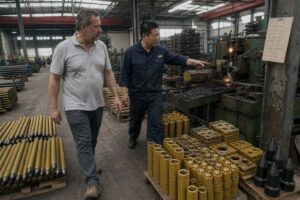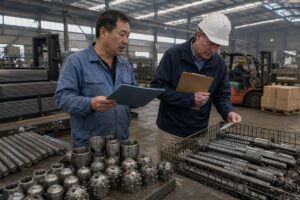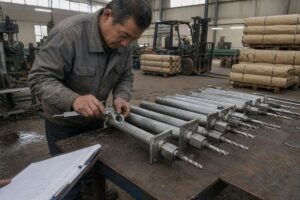
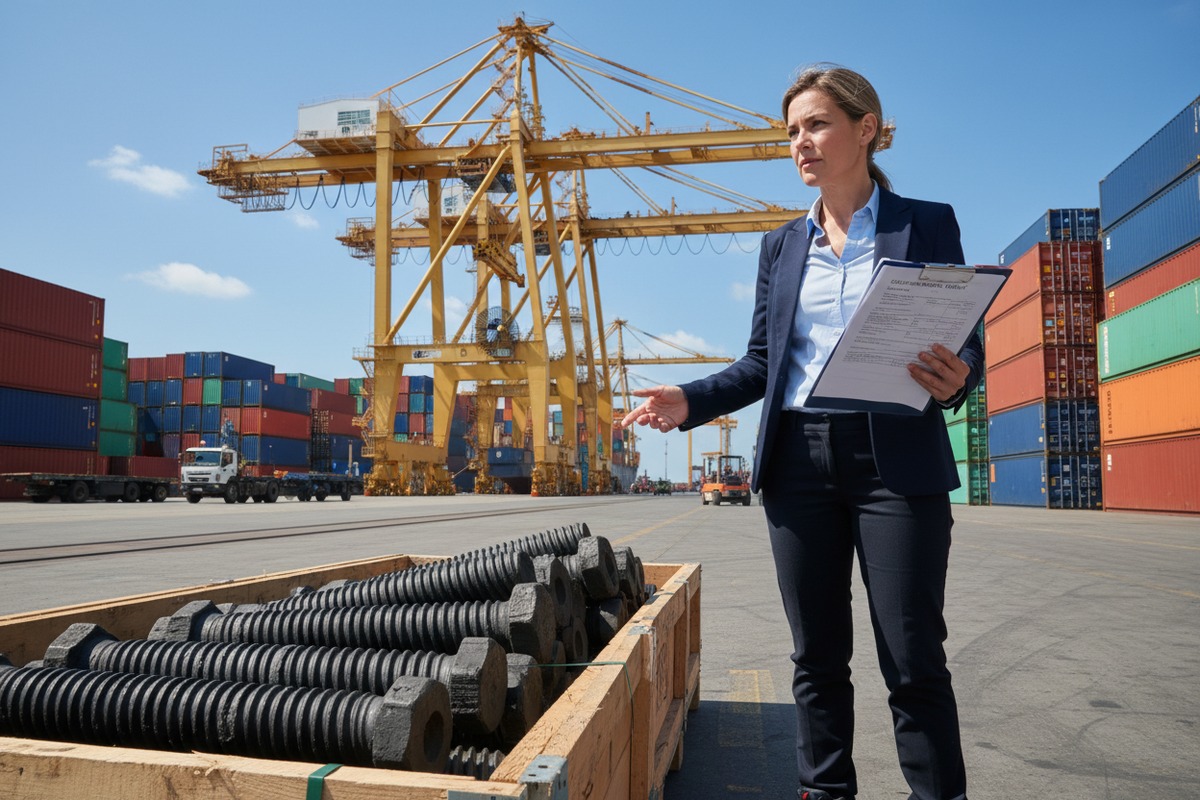
Every year, our shipping team handles hundreds of containers heading to US ports US Trade Representative 1. The questions we hear most from American buyers 2 are always about tariffs, customs codes, and paperwork. Get one detail wrong, and your self-drilling anchor bolts sit in a bonded warehouse burning money.
Self-drilling anchor bolts from China are classified under HTSUS heading 7318, carrying a base duty around 6.2% ad valorem plus an additional 25% Section 301 tariff. Importers must prepare accurate HTS classification, commercial invoices, bills of lading, country-of-origin markings, and may face anti-dumping scrutiny on steel fasteners.
This guide breaks down every regulation, tariff layer, and documentation requirement you need to know before placing your next order. We will walk through HTS classification, Section 301 cost impacts, essential customs documents, and how DDP shipping terms can shield you from nasty surprises.
How do I determine the correct HTS code for my self-drilling anchor bolt shipment?
Our production line makes self-drilling anchor bolts in diameters from 16mm to 76mm, and we have seen US Customs classify near-identical products under different codes. A wrong HTS code can cost you thousands in overpaid duties or trigger a costly audit.
Self-drilling anchor bolts are classified under HTSUS heading 7318, typically under subheading 7318.14 for self-tapping screws under 6mm or 7318.15 for threaded bolts and anchors over 6mm. The exact code depends on shank diameter, material grade, and whether CBP considers the product a bolt or screw.
Why HTS Classification Matters So Much
The Harmonized Tariff Schedule 3 of the United States assigns a unique code to every imported product. That code determines your duty rate, whether Section 301 tariff 4s apply, and if anti-dumping orders are in play. For self-drilling anchor bolts, the difference between two subheadings can mean the difference between 0% and 6.2% base duty — before any additional tariffs.
US Customs and Border Protection (CBP) draws a clear line between bolts and screws. Bolts are defined by head design and shank diameter 5, typically over 6mm. Screws emphasize their self-tapping or self-drilling ability. Since our self-drilling anchor bolts feature hollow bars with diameters ranging from 22mm to 76mm, they generally fall under the bolt category within 7318.15. However, smaller diameter products or those with pointed drill bits may be pushed toward 7318.14.
Key CBP Rulings to Reference
CBP has issued several binding rulings on similar products. Ruling NY N308987 addressed self-tapping screw sets, while NY N318659 covered expansion anchors. These rulings form precedent. If your product differs even slightly — say, a different steel grade or a unique bit geometry — you may need to request your own ruling.
Classification Decision Factors
| Factor | Bolt Classification (7318.15) | Screw Classification (7318.14) |
|---|---|---|
| Shank Diameter | Typically >6mm | Typically ≤6mm |
| Primary Function | Anchoring via grout/resin | Self-tapping into substrate |
| Head Design | Hex nut with bearing plate | Various drive types |
| Typical Duty Rate | 0%–6.2% depending on material | ~6.2% ad valorem |
| Common Product | R32/R38 hollow bar anchor | Small diameter TEK screws |
Steps to Get Your Code Right
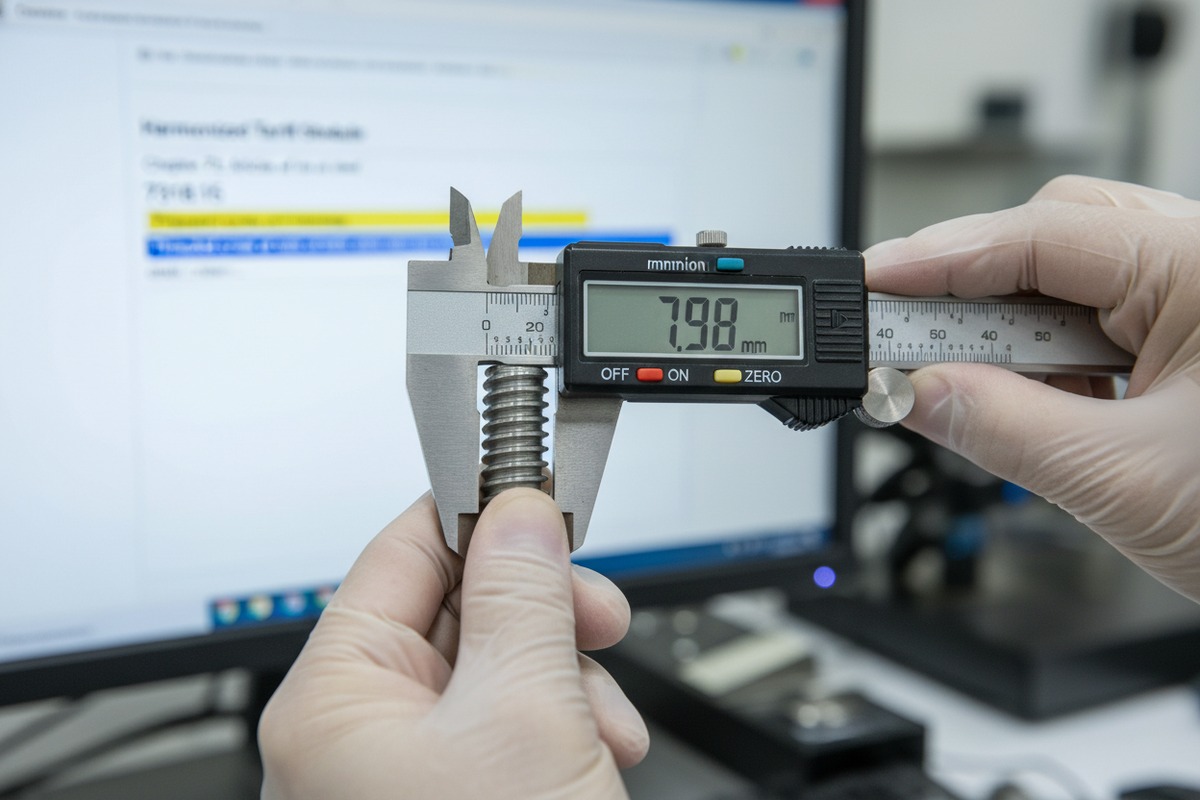
- Measure the shank diameter precisely. This is the single most important physical characteristic.
- Identify the steel grade. Carbon steel (HRB400/500) and stainless steel carry different rates.
- Review existing CBP rulings for similar self-drilling anchors.
- File a binding ruling request with CBP if your product does not match existing rulings exactly.
- Hire a licensed customs broker. This is not optional for complex steel products.
From our experience exporting to the US, we always provide buyers with detailed technical datasheets — including diameter, thread pitch, steel grade, and mechanical test reports — specifically so their brokers can classify accurately. A 10-minute conversation about specs can save weeks of delays at port.
What impact will Section 301 tariffs have on my total procurement costs?
When our US customers first heard about the 25% Section 301 tariff, many assumed it would kill Chinese sourcing entirely. The reality is more nuanced. The tariff is real and significant, but it does not always eliminate the cost advantage.
Section 301 tariffs add 25% ad valorem on top of the base duty for most Chinese-origin steel fasteners under HTSUS 7318. Combined with the base rate of approximately 6.2%, importers face a total duty burden of around 31.2%, which adds roughly $3,120 to every $10,000 shipment before freight and handling.

Breaking Down the Total Landed Cost
Let us do the math on a real-world shipment. Suppose you order $10,000 worth of R32 self-drilling anchor bolts, FOB China port.
| Cost Component | Amount | Percentage of Product Value |
|---|---|---|
| Product Cost (FOB) | $10,000 | 100% |
| Ocean Freight (est.) | $1,200 | 12% |
| Base Duty (6.2%) | $620 | 6.2% |
| Section 301 Tariff (25%) | $2,500 | 25% |
| Customs Broker Fee | $200 | 2% |
| Inland Freight (US) | $500 | 5% |
| Total Landed Cost | $15,020 | 150.2% |
That 25% Section 301 tariff is calculated on the declared transaction value, which is your FOB price. It does not compound on top of the base duty. Both are calculated independently on the same customs value.
Are Exclusions Available?
The US Trade Representative 6 (USTR) has granted some product-specific exclusions from Section 301 tariffs. However, for HTSUS 7318 steel fasteners, fewer than 1% of exclusion requests have been approved since 2023. Mining-specific applications occasionally get through, but the window is narrow and the process is slow.
If you are purchasing self-drilling anchors for a federally funded infrastructure project under the IIJA, you may find additional compliance requirements related to Buy America provisions. These can further complicate sourcing decisions.
The Cost Comparison Still Favors China — Sometimes
Even with the 31.2% combined duty, Chinese self-drilling anchor bolts often remain competitive. Our factory price for a standard R32 hollow bar anchor sits around $0.80–$1.50 per unit depending on length and grade. Comparable US-made products from domestic manufacturers like Simpson Strong-Tie run $2.00–$4.00 per unit. After tariffs, the Chinese product lands at roughly $1.05–$1.97 — still below or at parity with domestic options.
However, the gap is closing. And for buyers who need only small quantities, the fixed costs of customs brokerage, compliance testing, and longer lead times can tip the scales toward domestic sourcing.
Strategies to Manage the Tariff Burden
- Foreign Trade Zones (FTZ): Store goods in an FTZ to defer duty payment until products enter US commerce. This helps cash flow.
- Duty Drawback: If you re-export finished products containing the imported bolts, you may recover up to 99% of duties paid.
- Bonded Warehouses: Similar to FTZs, bonded warehouses defer duties and allow you to redistribute without immediate payment.
- Negotiate DDP Terms: Shift the tariff risk to your supplier. We discuss this in detail below.
Our engineering team works closely with US buyers to optimize order quantities and consolidate shipments, which spreads the fixed costs of compliance across more units. A single 20-foot container of self-drilling anchors can hold 18–20 metric tons, dramatically reducing the per-unit impact of brokerage and handling fees.
Which essential documents must I prepare to ensure my cargo clears US customs without delay?
In our two decades of exporting self-drilling anchor systems worldwide, we have seen shipments held for weeks because of a missing certificate or an invoice that did not match the packing list. Documentation errors are the number one cause of preventable delays at US ports.
To clear US customs without delay, importers need a commercial invoice with accurate HTS codes, a bill of lading, a detailed packing list, a country-of-origin certificate, material test reports meeting ASTM standards, and "Made in China" markings on all products per 19 CFR 134. A customs bond and ISF filing are also required.
The Core Document Checklist
Every shipment of self-drilling anchor bolts entering the US needs these documents at minimum:
| Document | Purpose | Who Prepares It |
|---|---|---|
| Commercial Invoice | Declares value, quantity, HTS code, terms of sale | Exporter (us) |
| Bill of Lading (B/L) | Proof of shipment, title document | Shipping line |
| Packing List | Itemized breakdown of cargo contents | Exporter |
| Country-of-Origin Certificate | Confirms goods are made in China | Exporter or chamber of commerce |
| Material Test Report (MTR) | Proves steel grade, tensile strength, chemical composition | Third-party lab or manufacturer |
| Customs Bond | Guarantees payment of duties to CBP | Importer via surety company |
| ISF 10+2 Filing | Advance cargo data submitted 24 hours before vessel loading | Importer or customs broker |
| Arrival Notice | Notifies importer that cargo has arrived at port | Shipping line or freight forwarder |
Country-of-Origin Marking: Do Not Skip This
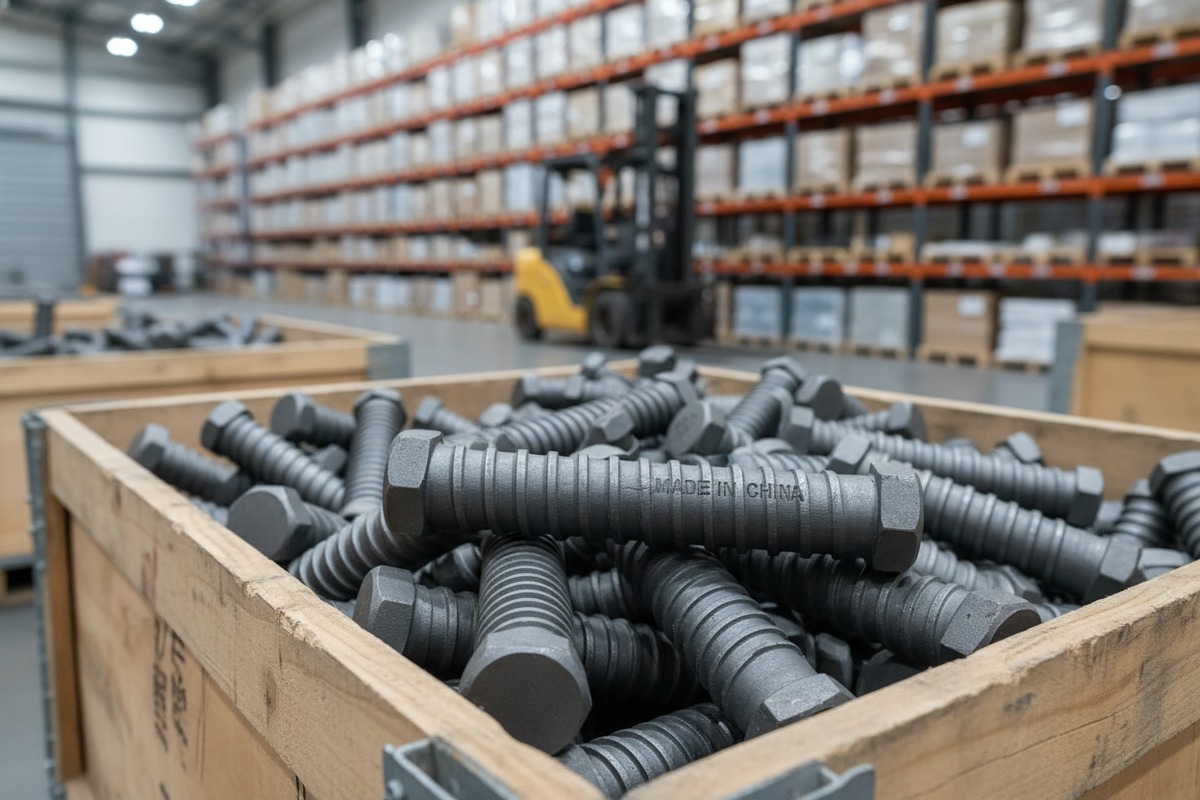
Under 19 CFR 134 7, every self-drilling anchor bolt must be permanently and conspicuously marked "Made in China." For our products, we stamp or engrave this marking directly on the bearing plates and coupling sleeves. If CBP finds unmarked goods, they can hold the entire shipment until every piece is marked — at your expense.
This is not a suggestion. It is federal law. We have seen cases where importers assumed bulk packaging labels were sufficient. They are not. Individual product marking is required unless you obtain a specific exemption.
ASTM Compliance and Testing
US buyers in mining and construction need products that meet ASTM A1034 8 (steel grades and mechanical performance) and ASTM D7558 (load and torque testing). Our factory tests every production batch to Chinese GB standards (HRB400/500), which closely mirror ASTM requirements. However, CBP and end-users may require independent US-lab verification.
We recommend requesting a pre-shipment inspection (PSI) from a recognized third-party agency like SGS or Bureau Veritas. The cost is modest — typically $300–$600 per shipment — and the certificate greatly reduces your risk of a CBP hold or MSHA compliance issue.
The Uyghur Forced Labor Prevention Act (UFLPA)
Since 2024, CBP has intensified scrutiny on Chinese steel products under the UFLPA. Self-drilling anchor bolts for construction and mining have been flagged in high-risk categories. Importers may be asked to provide supply chain traceability documentation proving that no forced labor was involved in the production of the steel wire rod or finished product.
Our company maintains full traceability from steel mill to finished product. We source our wire rod from audited mills in Shandong and Hebei provinces and can provide mill certificates, purchase orders, and production records on request. This documentation is not yet required on every shipment, but having it ready prevents catastrophic delays if CBP selects your container for examination.
Digital Filing Through ACE
All customs entries now go through the Automated Commercial Environment (ACE) system. Your customs broker files electronically, and CBP uses AI-driven risk assessment to flag shipments for inspection. Current data suggests 15–20% examination rates for HTSUS 7318 imports from China. Fast, accurate electronic filing through ACE reduces your risk profile.
Can I use DDP shipping terms to simplify my import process and manage tariff risks?
When we sit down with new US buyers at trade shows, DDP is often the first Incoterm they ask about. They want one price, delivered to their warehouse, with no customs headaches. It sounds simple. The reality requires careful negotiation.
Yes, DDP (Delivered Duty Paid) shipping terms transfer all import responsibilities — including tariffs, customs clearance, and inland delivery — to the seller. This simplifies the buyer's process significantly, but it requires the Chinese supplier to have a US customs broker, accurate tariff knowledge, and willingness to absorb tariff risk, which typically results in a higher quoted price.
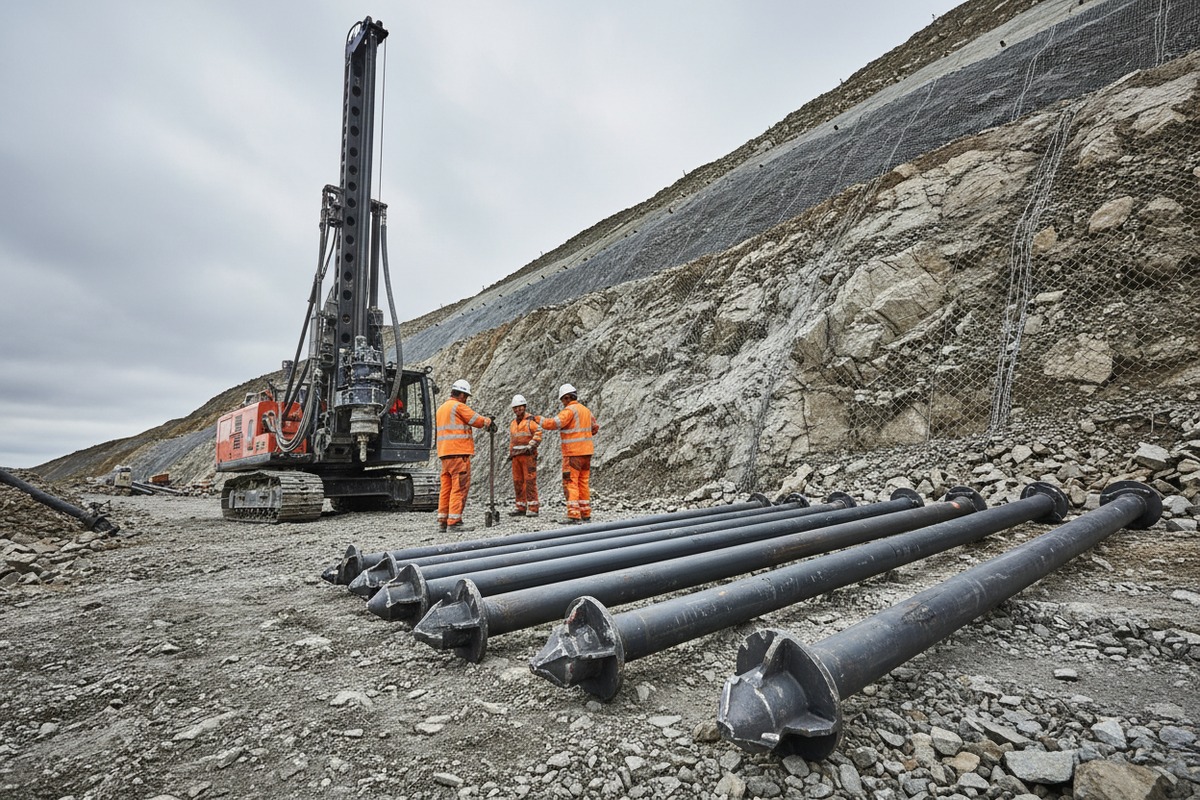
What DDP Actually Means for the Buyer
Under DDP Incoterms 2020 10, the seller bears all costs and risks from factory gate to the buyer's designated delivery point. This includes:
- Export customs clearance in China
- Ocean freight and insurance
- US import customs clearance
- Payment of all duties, including Section 301 tariffs
- Inland trucking to the buyer's warehouse or job site
For the buyer, this is the most hands-off option. You receive one invoice, one price, and the goods show up at your door. No customs broker to hire. No duty payments to calculate. No ISF filings to worry about.
The Trade-Offs You Need to Understand
DDP is not free simplicity. The supplier must build all tariff costs into the quoted price. Given the current 31.2% combined duty on self-drilling anchor bolts, that is a significant markup. Most suppliers — ourselves included — will also add a risk margin of 3–5% to cover potential tariff changes, exchange rate fluctuations, or unexpected CBP holds.
Here is a comparison of how DDP changes the cost structure versus FOB terms:
| Cost Element | FOB (Buyer Manages) | DDP (Supplier Manages) |
|---|---|---|
| Product Price | $10,000 | Included in DDP price |
| Ocean Freight | Buyer pays ~$1,200 | Included |
| Base Duty (6.2%) | Buyer pays $620 | Included |
| Section 301 (25%) | Buyer pays $2,500 | Included |
| Customs Brokerage | Buyer pays ~$200 | Included |
| Inland Freight | Buyer pays ~$500 | Included |
| Risk Margin | N/A | Supplier adds 3–5% |
| Total Buyer Pays | ~$15,020 (itemized) | ~$15,500–$15,770 (single price) |
The DDP price is slightly higher, but you gain predictability and simplicity. For project-based buyers who need to lock in costs for a bid or budget, that predictability can be worth far more than the 3–5% premium.
When DDP Works Best
DDP is ideal when:
- You are bidding on a project and need a firm, all-inclusive landed cost.
- You lack experience with US customs procedures or do not have an established broker relationship.
- You are ordering full container loads (FCL) where the fixed costs of DDP management are spread across high volume.
- Your supplier has proven DDP experience and a reliable US logistics network.
Our company has handled DDP shipments to the US for over five years. We work with licensed US customs brokers and freight forwarders who specialize in steel products. This means we file accurate HTS codes, handle ISF submissions, manage CBP examinations, and deliver to job sites across the continental US.
When DDP May Not Be the Best Choice
DDP is less ideal for small trial orders. The fixed logistics and compliance costs make per-unit prices high on small volumes. It also gives the buyer less visibility into the individual cost components, which can be a problem if you need to audit landed costs for government contracts or internal procurement reviews.
Some buyers prefer DAP (Delivered at Place) terms instead. Under DAP, the supplier handles everything except US customs clearance and duty payment. This gives the buyer control over the import process while still outsourcing logistics. It is a middle ground that works well for experienced importers who want freight convenience without giving up customs control.
Protecting Yourself Under DDP
Even under DDP, the importer of record is still legally responsible for the accuracy of customs declarations. Make sure your DDP agreement specifies:
- Who serves as the importer of record
- How tariff changes during transit are handled
- Whether the supplier guarantees compliance with ASTM standards and UFLPA requirements
- Clear liability language for CBP penalties or holds
We always recommend putting these terms in writing as part of the purchase contract. A handshake deal on DDP is a recipe for disputes when a $2,500 tariff bill shows up unexpectedly.
Conclusion
Importing self-drilling anchor bolts from China requires careful attention to HTS classification, Section 301 tariffs, documentation, and shipping terms. Partner with an experienced supplier and a licensed customs broker to protect your costs and timelines. Reach out to us at sales@sdarockbolt.com for DDP quotes and compliance support.
Footnotes
1. Background on the agency managing US trade policy and negotiations. ↩︎
2. Provides context on the economic landscape for American importers. ↩︎
3. Official source for determining US import duty rates and classifications. ↩︎
4. Official information regarding trade enforcement actions under Section 301. ↩︎
5. Technical definition of bolt dimensions used for customs classification purposes. ↩︎
6. Official USTR page for Section 301 tariff actions and exclusion processes. ↩︎
7. Official eCFR reference for US country of origin marking regulations. ↩︎
8. Technical standard for testing mechanical properties of steel fasteners. ↩︎
9. Legal regulation governing the marking of imported goods' country of origin. ↩︎
10. Official US Trade Administration guide explaining Incoterms 2020 rules. ↩︎